

Poultry Farm Building
Features of Poultry Farm Building
Sealing
The internal structure of the steel is very compact. When welded joints are used, even when rivets or bolts are used, it is easy to be tight and not leaking.
Fire resistance
When the surface temperature of the steel is within 150℃, the strength of the steel changes little, so the steel structure is suitable for use in a hot shop. When the temperature exceeds 150℃, its strength is significantly reduced. When the temperature reaches 500-600t, the strength is almost zero. Therefore, in the event of a fire, the steel structure has a short fire-resisting time and a sudden collapse occurs. For steel structures with special requirements, heat insulation and fire resistance measures should be taken.
Corrosion resistance
Steel is prone to rust in humid environments, especially in corrosive media, requiring regular maintenance and increased maintenance costs.
Daily maintenance
The Poultry Farm Building must be cleaned and maintained on a regular basis. Under normal circumstances, it needs to be inspected and maintained once a year. When cleaning the outer wall of a steel structure factory, care should be taken not to have any disorder. You cannot use steel balls, plate brushes, etc., which have abrasive cleaning products.
When using clean water, you should wash it from top to bottom. Branches, leaves and other similar objects on the steel structure workshop should be cleaned up in time to avoid unnecessary troubles caused by backlog. If the surface of the metal structure of the steel structure plant is damaged, it should be repaired in time to avoid the sun and rain from corroding the metal surface. If necessary, all the high-elastic nano-materials are used to protect the metal roof panels and provide effective heat insulation and waterproofing to save indoor air-conditioning energy.
TAIWEI is one of leading poultry farm building suppliers in China. Find the best quality poultry farm building for sale here and enjoy competitive price and service with us.
What Is Poultry Farm Building
Poultry farm buildings are specialized buildings designed for raising and managing poultry. These buildings are constructed to provide a controlled environment to meet the specific needs of poultry farming. Poultry farm buildings typically feature well-ventilated and temperature-regulated spaces to ensure the health and comfort of the birds. The design takes into account factors such as biosecurity, disease prevention and effective waste management. The goal is to create an optimal environment for poultry production, promoting the welfare of the birds and the efficiency of agricultural operations.
Benefits of Poultry Farm Building
Biosecurity
Poultry farm buildings are designed to enhance biosecurity measures by providing controlled environments that minimize the risk of disease transmission. Restricted access areas, proper ventilation systems, and hygienic practices help safeguard the health of the flock.
Temperature regulation
These buildings can be equipped with climate control systems, including ventilation, heating, and cooling, ensuring that the temperature remains within optimal ranges for the well-being and productivity of the birds.
Efficient space utilization
Poultry farm buildings are designed to maximize space utilization, allowing for efficient stocking and movement of birds. Well-planned layouts facilitate easy access for feeding, watering, and egg collection, optimizing workflow.
Disease prevention
Controlled environments in poultry farm buildings help prevent the spread of diseases by minimizing exposure to external pathogens. Proper sanitation practices and quarantine measures can be implemented more effectively within enclosed structures.
Waste management
Efficient waste management systems within poultry farm buildings help control and dispose of manure, reducing environmental impact and minimizing odors. Some systems even facilitate the conversion of waste into valuable fertilizers.
Enhanced security
Enclosed structures enhance security measures, protecting poultry flocks from predators and unauthorized access. This is particularly important in free-range or outdoor poultry farming operations.
-
Steel Structure Horse Shed
-
Chicken Farm
-
Steel Structure Chicken House
-
Dairy Farm
-
Steel Framing Shed
-
Dairy Cow Farm
-
Farm House Shed
-
Farm Grain Storage
-
Metal Farm Building
-
Agricultural Steel house shed
-
Light Steel Farm Shed
-
Farm Shed
High quality
We take pride in the craftsmanship of our products and ensure that each one meets our strict standards for quality.
Customized services
Our team of experts will work closely with you to understand your needs and will provide solutions that are tailored to meet your expectations.
One-stop solution
We can offer a range of services, from consultation and advice to product design and delivery. It is a convenience for the customers, as they can get all the help they need in one place.
24H online service
We respond to all questions within 24 hours and if any emergencies arise, our team is always at your service.
What Is the Recommended Height of the Ceiling in a Poultry Farm Building?
The ceiling height is determined based on the specific type of poultry being raised. For broiler (meat) chickens, a lower ceiling height is often preferred to optimize the environmental conditions and encourage uniform bird distribution. Lower ceilings contribute to better temperature management, especially in cold climates, as it helps retain heat closer to the birds. Adequate space between the birds and the ceiling is essential to ensure proper ventilation, minimize stress, and facilitate the overall comfort of the flock. The recommended ceiling height in a poultry farm building is a nuanced consideration that depends on factors such as the poultry species, local climate, and the specific management practices adopted by the farmer.
Types of Poultry Farm Building
Broiler houses
These are the most common type of poultry farm buildings used for raising meat birds. Broiler houses are designed to maximize growth and feed conversion efficiency, with features such as controlled lighting, temperature, and ventilation systems.
Laying houses
These are used for raising egg-laying hens and are often smaller than broiler houses. Laying houses may have multiple levels or tiers of cages to maximize space utilization and provide a comfortable environment for the birds. These houses are equipped with nests for the hens to lay their eggs and an automatic egg collection system.
Breeder houses
These are used for raising parent birds that will go on to produce eggs or broilers. Breeder houses are typically larger than laying houses and have more space per bird to accommodate their larger size and different behavior.
Pullet houses
These are used for raising young hens, also known as pullets, before they start laying eggs. Pullet houses are typically smaller than laying houses and have different equipment and facilities to accommodate the specific needs of young birds, such as larger cages and feeding systems.
The design of a poultry farm building plays a crucial role in biosecurity measures. One of the key aspects of building design is the layout of the facility. A good layout should facilitate easy movement of people and equipment, while preventing cross-contamination between different areas of the farm. This can be achieved by having separate entrances and exits for different sections of the farm, and by designing traffic flow patterns that minimize the risk of disease spread. Proper ventilation and lighting systems are essential for maintaining a healthy environment inside the building, as they can reduce the risk of disease transmission by removing moisture and other pollutants from the air. The design of the farm should also facilitate effective cleaning and disinfection practices, which are essential for maintaining biosecurity on the farm.
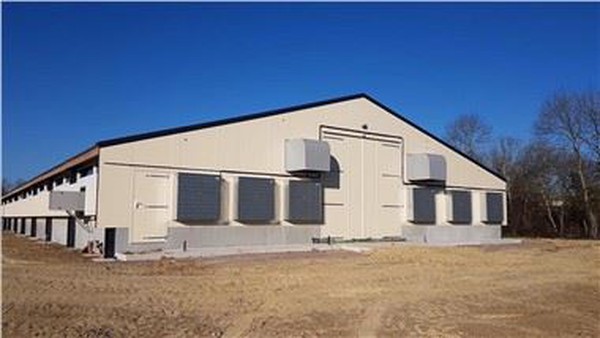
Material of Poultry Farm Building
Common materials include galvanized steel for the framework, providing structural strength and resistance to corrosion. The walls and roof are often made of materials like insulated metal panels or fiberglass reinforced plastic (FRP), providing insulation, ease of cleaning, and resistance to moisture. Flooring materials vary but commonly include concrete for its durability and ease of cleaning. Ventilation systems may involve fabric or PVC-based materials for curtains and inlets.
Broiler production
Poultry farm buildings are specifically designed to house broilers, providing controlled environments for efficient growth and management. These structures incorporate features such as automated feeding systems, proper ventilation, and optimized layouts to support broiler farming.
Breeding and hatchery operations
Poultry farm buildings are utilized for breeding operations, housing parent stock in controlled environments. Additionally, hatchery buildings are equipped with incubation and hatching facilities to support the production of day-old chicks.
Free-range and cage-free systems
Some poultry farm buildings are designed for free-range or cage-free systems, allowing birds access to outdoor areas. These structures provide shelter, feeding areas, and encourage natural behaviors such as foraging.
Integrated farming systems
Poultry farm buildings may be part of integrated farming systems, combining poultry farming with other agricultural activities. This integration can include crops, aquaculture, or other livestock, creating a synergistic and sustainable farming approach.
Environmental control structures
Some poultry farm buildings incorporate advanced climate control systems to precisely regulate environmental conditions. This is particularly important in regions with extreme weather conditions to ensure optimal conditions for bird health and productivity.
First and foremost is the need for an efficient air exchange rate, ensuring the removal of stale air laden with moisture and contaminants. Uniform air distribution is equally important to prevent areas of stagnant air, promoting a healthy environment throughout the poultry house. Temperature control mechanisms are critical, necessitating the design of the ventilation system to provide adequate heating or cooling depending on external weather conditions. Humidity management is also a key factor, as excessive moisture can lead to litter problems and respiratory issues. The direction of airflow should be carefully planned to avoid drafts that may cause stress to the birds. Inlet design, automated control systems, and monitoring tools for temperature, humidity, and air quality contribute to the overall effectiveness of the ventilation system.
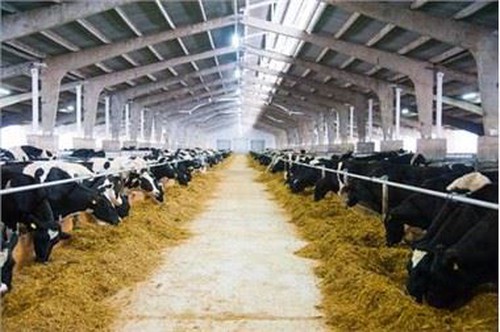
What Poultry Can Be Raised in a Poultry Farm Building?
Commonly raised poultry in these structures include broilers, intended for meat production, and layers, kept for egg-laying purposes. The controlled environments within these buildings are well-suited for breeding operations, housing parent stock, and facilitating hatchery processes to produce day-old chicks. Turkey farming is another prevalent application, with specialized structures designed to meet the unique needs of turkeys. Free-range and cage-free systems allow for the raising of different poultry types, such as ducks and geese, providing access to outdoor areas.
What Flooring Considerations Are Important in a Poultry Farm Building?
The chosen flooring material should prioritize slip resistance to prevent injuries, particularly in high-traffic areas. Ease of cleaning is essential to uphold biosecurity standards, ensuring that the flooring can be regularly sanitized to prevent the spread of diseases. Litter management compatibility is crucial, with the flooring material working seamlessly with the chosen litter to control moisture and waste. Temperature regulation properties of the flooring material should align with the overall climate control strategy of the poultry house. Prevention of caking, easy removal of waste, and proper drainage contribute to effective waste management.
Reflective roofs play a crucial role in poultry farm buildings. They are designed to reflect sunlight and heat, reducing the temperature inside the building. This is particularly important in poultry farming where the birds' health and productivity can be severely affected by high temperatures. By reflecting heat, the reflective roofs help maintain a more comfortable and stable environment for the birds, promoting better growth and health. They also reduce the energy consumption of the farm by minimizing the need for air conditioning or other cooling systems. Reflective roofs can increase the lifespan of the building by reducing the wear and tear caused by extreme temperatures.
Preventing ammonia build-up in a poultry farm building is crucial for maintaining a healthy environment for the birds and ensuring their overall well-being. Ammonia is a byproduct of poultry waste, particularly from urine and manure. Effective ventilation is a key strategy to mitigate ammonia levels. Well-designed ventilation systems, including fans and air inlets, help maintain optimal air quality by expelling stale air containing ammonia and introducing fresh air. Regular cleaning and removal of litter reduce the accumulation of waste, minimizing the source of ammonia. Adequate spacing and avoiding overstocking of birds contribute to reducing the concentration of waste in the poultry house.
Process of Poultry Farm Building
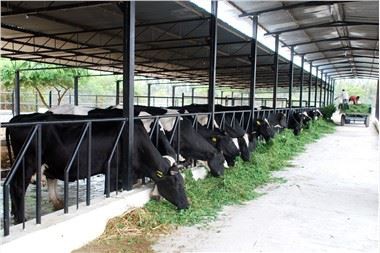
Material selection
Choose appropriate construction materials based on factors like structural integrity, insulation, and durability. Consider materials that are resistant to corrosion, easy to clean, and conducive to maintaining a sanitary environment.
Installation of systems
Install ventilation systems, heating and cooling systems, lighting, and other environmental control systems. Implement automated feeding and watering systems, ensuring efficiency in poultry management.
Interior setup
Establish the interior layout, including the arrangement of nests, perches, feeding and watering stations, and other necessary infrastructure. Ensure that the flooring, insulation, and other interior elements align with the design specifications.
Biosecurity measures
Implement biosecurity measures to prevent disease transmission. Set up controlled access points, sanitation stations, and quarantine areas as needed.
Testing and commissioning
Conduct thorough testing of all systems to ensure proper functionality. Commission the poultry farm building only after confirming that all components meet design specifications.
Components of Poultry Farm Building
Poultry farm buildings consist of key components designed to provide a conducive environment for poultry. The structural framework, often made of galvanized steel, supports the building. Ventilation systems, including fans and inlets, maintain proper airflow. Insulated walls and roofs ensure thermal efficiency. Durable flooring materials, like concrete, ease cleaning. Automated feeding and watering systems streamline management. Environmental controls, such as lighting, regulate conditions. Biosecurity features, like controlled access points, prevent disease. Nesting areas and perches cater to poultry needs.
Maintenance Tips for Poultry Farm Building
Regular cleaning and disinfection
Clean and disinfect the poultry farm building regularly to remove any potential sources of disease or infection. Remove waste and soiled bedding, and clean and disinfect all surfaces and equipment.
Check and maintain ventilation systems
Proper ventilation is crucial for maintaining a healthy environment for the birds. Regularly check and maintain the ventilation system to ensure that it is working efficiently and that there are no blockages or leaks.
Monitor and maintain temperature and lighting
The temperature and lighting in the poultry farm building should be kept within the appropriate ranges for the birds. Regularly monitor and adjust the lighting and temperature systems to ensure that they are working properly.
Inspect and repair equipment
Regularly inspect all equipment in the poultry farm building, including feeders, drinkers, and heating systems. Repair any broken or damaged equipment promptly to prevent any potential harm to the birds.
Maintain a safe environment
Ensure that the poultry farm building is free from any potential hazards, such as sharp edges or slippery surfaces. Keep the building clean and well-maintained to prevent any accidents or injuries to the birds.
Inspect and repair the building structure
Regularly inspect the building structure, including the walls, roof, and flooring, to ensure that they are in good condition. Repair any damage promptly to prevent any potential harm to the birds or the farm equipment.
To prolong the lifespan of your poultry farm building, you must perform regular maintenance checks. This includes checking for any damages caused by harsh weather conditions, rodents, or pests. Regular monitoring of environmental conditions, including temperature, humidity, and air quality, is essential to create an atmosphere conducive to poultry health and productivity. Maintaining cleanliness through routine litter removal, effective waste management, and thorough disinfection is critical for disease prevention and flock well-being. Adequate ventilation is crucial to providing optimal airflow, preventing respiratory issues among the birds. Proper lighting, with attention to intensity and duration, supports natural behaviors and physiological needs. Regular equipment checks, including feeding and watering systems, contribute to the smooth operation of the facility.
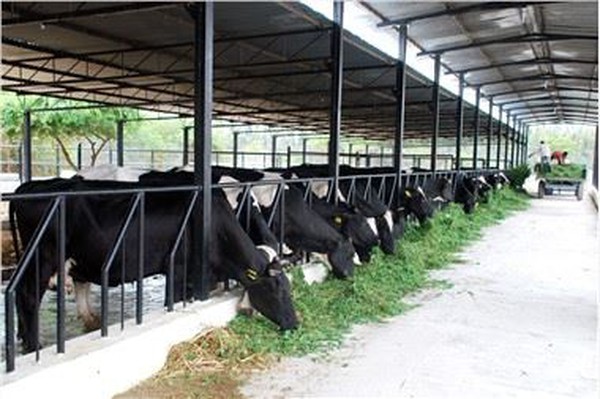
How Can Insulation in a Poultry Farm Building Be Optimized For Energy Efficiency?
Select insulation materials with high thermal resistance (R-value). Common choices include fiberglass, foam board, and reflective foil insulation. Consider the specific climate and temperature requirements of the region. Ensure insulation is properly installed without gaps, compressions, or voids. Poor installation can compromise effectiveness. Use thermal breaks or insulation materials designed to minimize heat transfer in these areas. Proper sealing prevents the ingress of outside air and helps maintain a controlled internal climate. Consider reflective roofing materials to minimize heat absorption. Reflective surfaces can help reduce heat gain, especially in warmer climates, and contribute to a cooler interior. Use vapor barriers to prevent moisture infiltration. Properly placed vapor barriers contribute to both insulation efficiency and overall building durability. In extreme climates, consider using a double layer of insulation to enhance thermal resistance. Adjust insulation and ventilation systems as needed based on seasonal changes and specific requirements for poultry comfort and health.
FAQ
Q: What is the ideal size for a poultry farm building?
Q: What type of building material is best for a poultry farm building?
Q: What are the ventilation requirements for a poultry farm building?
Q: How should the floor of a poultry farm building be designed?
Q: What are the lighting requirements for a poultry farm building?
Q: How should the feeding and watering systems be designed in a poultry farm building?
Q: How can I prevent disease and maintain biosecurity in my poultry farm building?
Q: What are the heating and cooling requirements for a poultry farm building?
Q: What is the lifespan of a poultry farm building?
Q: What role do vapor barriers play in the insulation strategy of poultry farm buildings, and how should they be properly implemented?
Q: Why is proper lighting crucial in poultry farm buildings, and how does it impact the well-being of the poultry?
Q: What are some sustainable and eco-friendly insulation options suitable for poultry farm buildings?
Q: How can poultry farm buildings be designed or adapted to accommodate free-range systems, and what elements are crucial for their success?
Q: What factors should be considered in the layout design of poultry farm buildings to optimize efficiency?
Q: Why is regular maintenance essential for poultry farm buildings, and what are some key aspects that should be regularly checked?
Q: What are the advantages of using reflective roofing materials in poultry farm buildings?
Q: How can thermal bridges be identified and addressed during the construction of poultry farm buildings?
Q: How do flooring materials impact the hygiene and cleanliness of a poultry farm building, and what are some common choices?
Q: What factors should be considered when selecting a site for a poultry farm building?
Q: How does biosecurity contribute to the overall health of poultry in a farm building?
We're professional poultry farm building manufacturers and suppliers in China, specialized in providing high quality products and service. We warmly welcome you to buy high-grade poultry farm building for sale here from our factory.Metal Farm Building, Poultry Farm Building, Dairy Farm