
Container House is a building system that once again hits the fashion trend, moving anywhere to any place, bringing people a more convenient and comfortable life. The solar photovoltaic panel can be used for indoor electricity, the solar water heater can be heated and supplied with water, and the indoor shower and domestic water are discharged by the sewage treatment system for reuse. Container houses of different sizes can be made depending on the number of people.
Features
1. Convenient transportation, especially suitable for units that frequently change construction points;
2. Sturdy and durable, all made of steel, with strong anti-seismic and anti-deformation ability;
3. The sealing performance is good, and the strict manufacturing process makes the movable room have good water tightness;
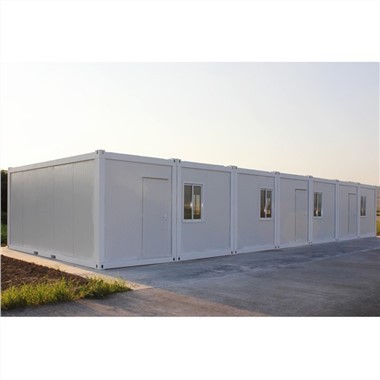
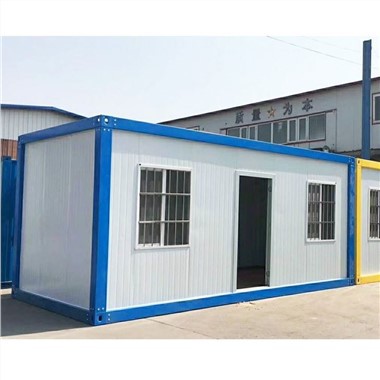
4. The mobile home is based on a standard steel chassis and can be used to create many combinations. Such as conference rooms, dormitories, kitchens, bathrooms, etc. The standard width is 2.4 meters, the height is 2.2 meters, and the length is 4 meters to 12 meters;
5. Easy disassembly and assembly, superior performance, stable and firm, good resistance to typhoon and shockproof, waterproof, fireproof and anti-corrosion, light weight. The house is a monolithic structure with a frame inside and the wall is made of steel. It can be decorated with wood and can be moved as a whole. The service life can reach more than 20 years.
Precautions
1. Please do not weld the welding near the wall;
2. Winter heating stoves should be equipped with fire protection devices;
3. For container houses that need to be waterproofed, it is strictly forbidden to use blowtorch on the house materials;
4. Metal pipes should be used when laying indoor lines, and should be grounded reliably or refractory pipes. In addition, when you need to pass through the wall, you should also add casing to protect.
TAIWEI is one of leading container house suppliers in China. Find the best quality container house for sale here and enjoy competitive price and service with us.
What Is Container House
A Container House is a type of house made of shipping containers. The conversion typically involves cutting openings for doors and windows, reinforcing the structure, insulating the interior, and incorporating necessary utilities. Container houses offer an innovative approach to housing design, combining a minimalist aesthetic with environmental sustainability. The use of repurposed containers not only provides an affordable and durable housing option but also contributes to recycling and reducing the environmental impact of construction materials.
Efficient assembly
Container houses can be constructed relatively quickly compared to traditional homes. The modular nature of shipping containers allows for efficient assembly, reducing construction time and, consequently, labor costs.
Mobility and flexibility
Container houses are inherently mobile and can be easily transported to different locations. This flexibility is advantageous for individuals or projects requiring temporary or movable housing solutions.
Durability and strength
Shipping containers are designed to withstand the harsh conditions of transportation, making them inherently durable and strong. This durability translates into robust and resilient container houses that can withstand various weather conditions.
Cost-effective
Container houses are often more cost-effective than traditional construction methods. The repurposing of shipping containers reduces the need for extensive building materials and labor, resulting in lower overall construction costs.
Customization
Container houses offer design flexibility, allowing for creative and customizable layouts. Containers can be stacked, joined, or modified to create unique architectural designs and configurations based on the homeowner's preferences and needs.
Energy efficiency
With proper insulation and design considerations, container houses can be energy-efficient. The steel structure provides a solid foundation for insulation materials, and the compact design can enhance heating and cooling efficiency.


High quality
We take pride in the craftsmanship of our products and ensure that each one meets our strict standards for quality.
Customized services
Our team of experts will work closely with you to understand your needs and will provide solutions that are tailored to meet your expectations.
One-stop solution
We can offer a range of services, from consultation and advice to product design and delivery. It is a convenience for the customers, as they can get all the help they need in one place.
24H online service
We respond to all questions within 24 hours and if any emergencies arise, our team is always at your service.
The sound insulation effect of container houses can be quite effective, although it may vary depending on the specific design and materials used. Container houses are built with steel walls that are not inherently soundproof. Additional sound insulation such as soundproof windows, doors, and interior wall treatments can be added to enhance the sound insulation. The use of double or even triple-layer container walls can significantly improve the sound insulation of the house.

Can Container Houses Be Moved Once They Are Built?
One of the notable advantages of container houses is their mobility. Container houses can be easily moved once they are built, making them a flexible and adaptable housing solution. This feature is particularly beneficial for those who may need temporary housing or desire the ability to move their residence to a different location. To relocate a container house, it can be disassembled, loaded onto a truck or train, and transported to a new location. At the new site, the container house can be reassembled and reconnected to utilities.
Single-container homes
These are compact homes created by using a single shipping container. They are suitable for minimalistic living and can be an affordable and sustainable housing option.
Multi-container homes
Multi-container homes involve combining multiple shipping containers to create larger living spaces. This type allows for more extensive customization and flexibility in design.
Hybrid container homes
These are homes that combine shipping containers with other materials, such as wood or glass. They can be designed to have a more traditional look and feel, while still incorporating the benefits of container living.
Modular container homes
These are homes that are built using prefabricated modules made of shipping containers. They can be easily transported and assembled on-site, making them ideal for use in remote or challenging locations.
Mobile container homes
These are homes that are built to be easily moved from one location to another. They are ideal for use as temporary housing, for people who travel frequently, or for use in RV parks or camping areas.
Off-grid container homes
Off-grid container homes are designed to function independently of traditional utilities. They often incorporate renewable energy sources like solar panels and may include rainwater harvesting systems.
Can Container Houses Be Built With Multiple Stories?
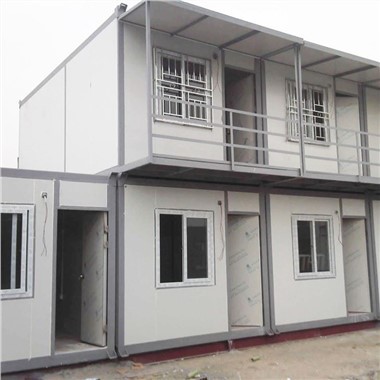
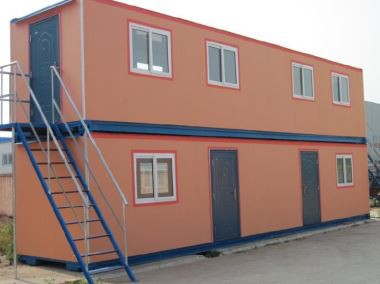
Container houses can be constructed with multiple stories, offering vertical expansion and flexibility in design. The structural strength of shipping containers allows them to be stacked or joined to create multi-story structures. Builders often employ structural modifications such as additional steel supports or pillars to ensure the stability and safety of the stacked containers. This adaptability makes container houses suitable for various architectural configurations, from single-story homes to multi-story residences or even commercial buildings. The ability to stack containers vertically not only maximizes the use of available space but also allows for innovative and space-efficient designs, making container houses a versatile option for those looking to create multi-level living spaces.
Can Container Houses Be Built With Green Roofs or Solar Panels?
Container houses can incorporate sustainable features such as green roofs and solar panels. Green roofs, consisting of living vegetation, can be installed on the top surface of container houses, providing insulation, reducing heat absorption, and contributing to environmental sustainability. The flat surface of container roofs is well-suited for solar panel installation. Solar panels can be easily mounted on the roof to harness solar energy and generate electricity for the home, promoting energy efficiency and reducing reliance on traditional power sources. This combination of green roofs and solar panels enhances the eco-friendly profile of container houses, aligning them with sustainable building practices and making them more energy-efficient and environmentally responsible.
Protecting container houses against pests like insects or rodents involves implementing effective measures during the construction and maintenance phases. Before conversion, thorough inspections and treatments can be carried out to address any existing pest issues. Sealing gaps, holes, and openings with appropriate materials during the construction process helps prevent pest entry. Applying insecticides or anti-pest coatings can serve as a deterrent. Proper insulation and sealing are crucial for eliminating entry points, and choosing materials that pests find less attractive can further discourage infestations. Regular inspections and proactive maintenance, such as keeping the surroundings clean and free from debris, also contribute to pest prevention in container houses. Utilizing pest-resistant building materials and following best practices in construction and maintenance play key roles in ensuring a pest-free environment within container homes.
Container houses are typically made from shipping containers, which are constructed from high-strength steel. The steel provides durability and resistance to weather conditions, making it an ideal material for building a home. Insulation materials such as fiberglass or mineral wool can be added to the walls and ceiling to improve energy efficiency. Wooden cladding can be added to the exterior to improve the appearance and provide additional insulation. Glass can be used in the windows and doors to allow natural light into the house and provide views of the surroundings. Other materials such as concrete, brick, or stone can also be used to add additional strength, insulation, or aesthetic appeal to the container house.
Residential
Container houses can be used as primary or secondary residences, either on their own or as part of a larger compound. They are ideal for people who want a sustainable and cost-effective housing solution, or who want the flexibility to move their home to a new location.
Commercial
Container houses can be used for a variety of commercial purposes, such as office space, retail stores, or dining establishments. They are ideal for businesses that need a portable or temporary space, or that want to make a statement with their unique and eye-catching design.
Temporary housing
Container houses can be used as temporary housing for people who are displaced due to natural disasters, construction projects, or other circumstances. They are ideal because they can be quickly and easily transported to the site and set up, providing shelter and basic amenities until more permanent housing can be arranged.
Travel and tourism
Container houses can be used as accommodations for travelers, either as standalone units or as part of a larger resort or campground. They are ideal because they offer a unique and memorable experience, and can be located in scenic or remote areas that might not be accessible to traditional buildings.
How Are Container Houses Equipped for Plumbing and Electricity?
Equipping container houses with plumbing and electricity involves careful planning and skilled craftsmanship to ensure functionality and safety. For plumbing, containers are typically modified to include bathroom and kitchen spaces. Plumbers install water supply and drainage systems, connecting fixtures like sinks, toilets, and showers to the plumbing network. Insulating pipes is crucial to prevent freezing in colder climates. Electricians install electrical systems, including wiring, outlets, switches, and lighting fixtures. The container's steel structure requires careful consideration to avoid electrical hazards. Electrical installations may include solar panels for sustainable energy. Safety standards are crucial during installation to ensure the normal operation and safety of these important systems in container homes.
Design: The first step in building a container house is to design the layout and features of the house. The design should take into account the size and shape of the shipping containers, as well as the specific needs and preferences of the homeowner.
Materials procurement: Once the design is complete, the necessary materials and components can be procured, including the shipping containers, insulation, plumbing and electrical fixtures, and any other materials needed to complete the build.
Site preparation: The next step is to prepare the building site by leveling the ground, installing a foundation, and preparing any necessary utilities connections.
Container modification: The shipping containers are then modified to accommodate the design of the house. This may involve cutting doors and windows, installing insulation, and adding any necessary framing or supports.
Assembly: The modified containers are then transported to the building site and assembled according to the design plan. This may involve stacking the containers to create multiple levels, connecting them together, and installing any necessary utilities or infrastructure.
Finishing touches: Once the basic structure of the house is complete, the finishing touches can be added, such as paint, flooring, and interior furnishings.

A container house consists of essential components such as the repurposed shipping container itself, structural modifications for doors and windows, insulation for temperature control, plumbing components for water supply and drainage, electrical elements including wiring and fixtures, and interior and exterior finishing materials. Sustainable components like solar panels may be integrated for eco-friendly energy solutions. These components collectively form a functional and habitable living space within the container structure.
Regular inspections
Conduct routine inspections of the container's exterior and interior to identify any signs of damage, corrosion, or wear. Addressing issues promptly can prevent more significant problems.
Weatherproofing
Ensure that the container is well-sealed to prevent water infiltration. Check for and repair any leaks promptly. Proper weatherproofing helps protect the interior from moisture-related issues.
Exterior cleaning and pest control
Clean the exterior regularly to remove dirt, salt, and debris that can contribute to corrosion. Washing the container with a mild detergent and water helps maintain its appearance. Implement measures to deter pests and rodents. Seal any openings and use pest-resistant materials during construction.
Insulation maintenance
Check the condition of insulation materials regularly. Replace or upgrade insulation as needed to maintain temperature control and energy efficiency within the container.
Plumbing and electrical systems
Periodically inspect plumbing for leaks and ensure proper drainage. Check electrical systems for any issues, and replace or repair wiring or fixtures as necessary. Safety is paramount in maintaining these systems.
Corrosion prevention
Apply anti-corrosive coatings to the container's exterior to protect against rust and corrosion, especially in coastal or humid environments. Inspect and repaint as needed to maintain the protective layer.
How Are Container Houses Insulated Against Heat and Cold?
Container houses are insulated against heat and cold through strategic application of insulation materials to regulate interior temperatures and enhance energy efficiency. Insulation is typically added to the container walls, ceiling, and floor. Common insulation materials include foam boards, fiberglass, or spray foam, which provide a thermal barrier to minimize heat transfer. Reflective insulation may also be used to repel radiant heat. In cold climates, proper insulation prevents heat loss and minimizes condensation inside the container. For warmer climates, insulation helps keep the interior cooler by reducing heat absorption. The selection and thickness of insulation depend on the local climate and the specific needs of the inhabitants. Addressing potential thermal bridges and ensuring airtight seals on doors and windows contribute to the overall effectiveness of the insulation in container houses.
Regular structural inspections are crucial to identify and address any signs of corrosion, rust, or damage promptly. Electrical systems should be installed and maintained by professionals, adhering to safety codes to prevent fire hazards. Adequate insulation helps regulate interior temperatures and prevent issues like mold growth. Implementing proper ventilation minimizes condensation and maintains air quality. Weatherproofing the container and securing foundations contribute to structural stability and durability. Window safety measures, such as using safety glass and guards, enhance occupant protection. Pest control measures should be employed, and emergency exit points must be easily accessible and well-known to all occupants. Anti-slip flooring, solar panel safety precautions, and natural disaster preparedness further contribute to a safe living environment within container houses.
Q: What is a container house?
Q: How are container houses built?
Q: Are container houses safe?
Q: Can container houses be customized?
Q: Are container houses eco-friendly?
Q: How long do container houses last?
Q: Can container houses be moved?
Q: Do container houses need insulation?
Q: Can container houses withstand extreme weather?
Q: Can container houses be expanded?
Q: Are container houses suitable for cold climates?
Q: How do I maintain a container house?
Q: Can container houses be used for commercial purposes?
Q: Can container houses be off-grid?
Q: How are container houses equipped for plumbing and electricity?
Q: Are container houses energy-efficient?
Q: Can container houses be easily transported?
Q: Can I build a multi-story container house?
Q: Do container houses come with plumbing and electricity?
Q: How do I insulate a container house?