
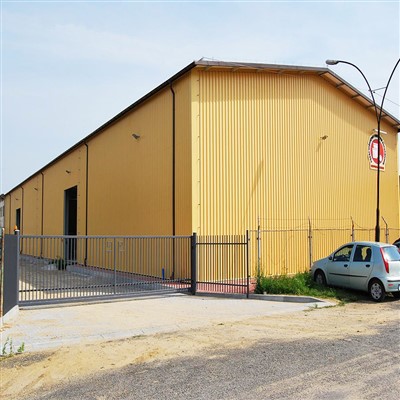
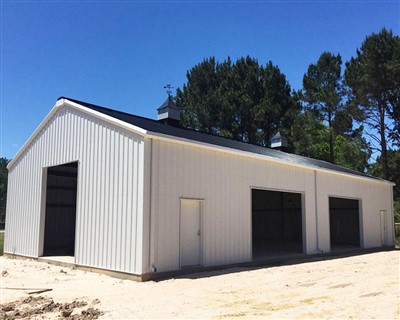
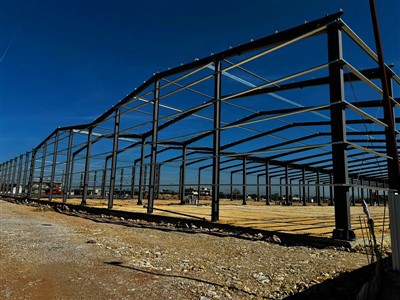
Steel Structure mainly refers to the main load-bearing components are composed of steel, including steel pillars, steel beams, steel structure foundations, steel roof trusses (of course, the span of the factory is relatively large, basically now is the steel structure roof truss), steel roof, Note that steel-structured walls can also be maintained with brick walls.
Due to the increase in steel production in China, many of them have begun to adopt steel structure workshops. Specifically, they can also be divided into light and heavy steel structure workshops. Industrial and civil construction facilities constructed of steel are referred to as steel structures.
Advantages
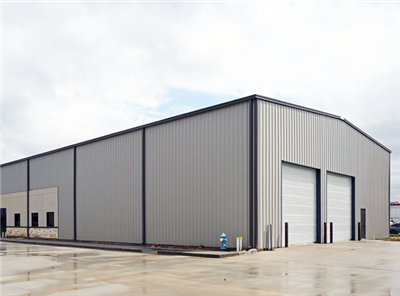
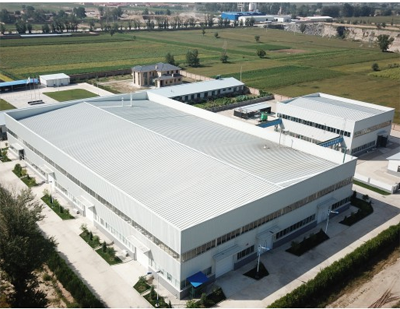
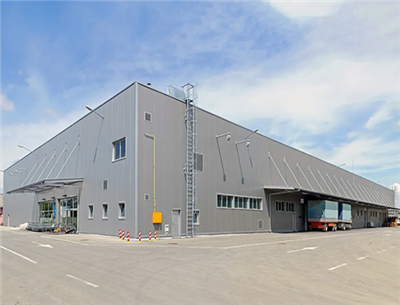
Wide range of applications: Applicable to factories, warehouses, office buildings, stadiums, hangars, etc. Suitable for single-story, large-span buildings as well as multi-storey or high-rise buildings.
The building is simple and the construction period is short: All the components are prefabricated in the factory, and the site is simply assembled, which greatly shortens the construction period. A 6,000 square meter building can be basically installed in 40 days.
Durable and easy to repair: The versatile computer-designed steel structure resists harsh weather and requires minimal maintenance.
Beautiful and practical: The steel structure building lines are simple and smooth, with a modern sense. Color wall panels are available in a variety of colors, and the walls are available in other materials for greater flexibility.
Reasonable cost: The steel structure has light weight, reduces the basic cost, and has a fast construction speed. It can be completed and put into operation as soon as possible, and the comprehensive economic benefits are much better than the concrete structure.
Our steel structure for sale is competitive in quality materials, exquisite crafts and competitive price. As one of leading steel structure suppliers, we're looking forward to being your long-term partner in China.
What Is Steel Structure
A steel structure is a construction framework predominantly composed of steel components, known for its exceptional strength, durability, and versatility. Widely used in various construction projects, including buildings, bridges, and towers, steel structures harness the inherent properties of steel such as its high strength to weight ratio and malleability to create resilient and efficient designs. Whether in commercial buildings, industrial facilities, or infrastructure projects, steel structures continue to be a cornerstone in the construction industry, offering a balance of strength, durability, and design adaptability.
Strength and durability
Steel structure is renowned for its high strength-to-weight ratio, providing exceptional structural integrity and durability. It can withstand heavy loads and adverse environmental conditions, making it suitable for a variety of applications.
Design flexibility
Steel structure malleability allows for versatile design options. It can be easily shaped and molded to create structures with various architectural styles and complex geometries, offering architects and designers considerable flexibility.
Speed of construction
Steel structures can be prefabricated off-site, leading to faster construction times. Prefabrication allows for simultaneous work on different components, reducing the overall project timeline and enabling quicker occupancy of the structure.
Cost-effectiveness
While the initial cost of steel structure can be higher than some other materials, the long-term benefits often make it cost-effective. Reduced maintenance, faster construction, and the potential for reuse or recycling contribute to the overall economic advantages of steel structures.
Recyclability and sustainability
Steel structure is a highly recyclable material, making it environmentally friendly. Recycling steel reduces the need for new raw materials and minimizes the environmental impact associated with extraction and processing. This sustainability aspect is crucial in contemporary construction practices.
Fire resistance
Steel structure has inherent fire-resistant properties. It retains its strength and structural integrity even in high-temperature conditions. Properly coated or protected steel structures can withstand fire, contributing to enhanced safety.
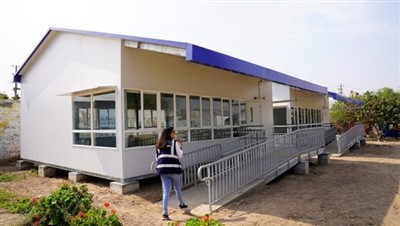
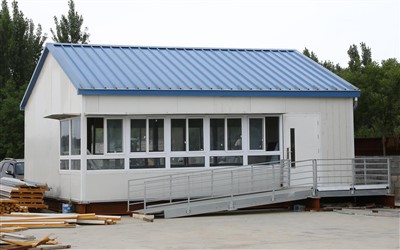
High quality
We take pride in the craftsmanship of our products and ensure that each one meets our strict standards for quality.
Customized services
Our team of experts will work closely with you to understand your needs and will provide solutions that are tailored to meet your expectations.
One-stop solution
We can offer a range of services, from consultation and advice to product design and delivery. It is a convenience for the customers, as they can get all the help they need in one place.
24H online service
We respond to all questions within 24 hours and if any emergencies arise, our team is always at your service.
In a steel structure, tension members and compression members serve distinct roles in managing the forces acting on the structure. A tension member is designed to primarily carry axial loads in tension, meaning the forces act to pull the member apart. Common examples include cables, rods, and tie rods. Tension members are crucial in resisting forces that attempt to elongate or pull apart the structure. Compression members are designed to withstand axial loads in compression, where forces act to compress or push the member together. Columns and struts are typical examples of compression members. They play a vital role in supporting vertical loads and resisting buckling or failure due to compressive forces. Both tension and compression members are essential components in maintaining the structural stability and integrity of a steel structure, working together to balance and distribute the various loads and stresses that the structure may encounter.
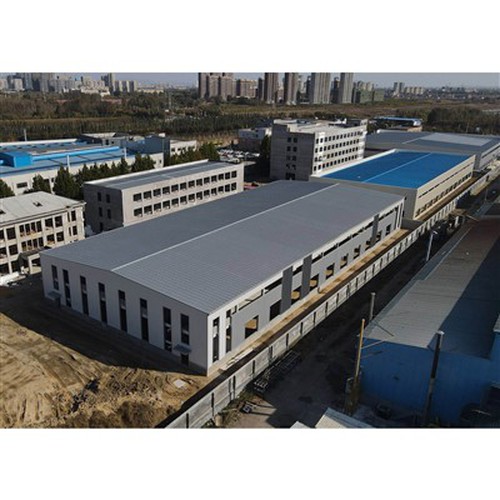
How Do You Ensure Proper Alignment of Steel Members During Construction?
Ensuring proper alignment of steel members during construction is critical for the structural integrity and overall stability of the completed structure. Construction teams employ several measures to achieve accurate alignment. Precise surveying and layout techniques are often employed at the foundation stage to establish reference points and ensure accurate positioning of anchor bolts or base plates. During the erection of steel frames, careful attention is given to the alignment of columns, beams, and other structural elements using laser levels, plumb bobs, and string lines. Rigorous quality control measures, including the use of specialized tools and templates, help verify the alignment of connections and welds. Regular inspections and adjustments are conducted to address any deviations promptly.
A truss is a framework composed of triangular elements, such as beams and bars, connected at joints. This geometric arrangement provides excellent strength and stiffness, allowing trusses to efficiently support heavy loads over long spans. Trusses are commonly used in roofs, bridges, and other structures requiring large clear spans. On the other hand, a frame is a structural system comprising vertical and horizontal members connected to form a rigid framework. Frames resist loads through bending and shear, providing stability and support to a structure. While both trusses and frames are crucial in steel construction, trusses excel in spanning long distances with minimal material, while frames offer flexibility and stability in various architectural and engineering configurations.
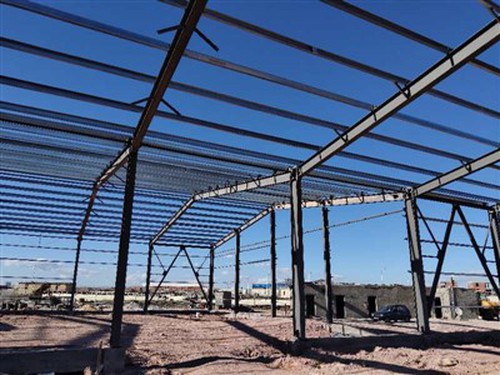
How Does The Design of Steel Structures Differ For Different Climates And Geographic Locations?
The design of steel structures is significantly influenced by the climate and geographic location where they will be constructed. In regions prone to seismic activity, engineers implement seismic design principles to enhance the structure's ability to withstand ground motion and seismic forces. Wind loads are a crucial consideration in areas susceptible to hurricanes or high winds, leading to the incorporation of wind-resistant features. Cold climates with heavy snow loads require designs that can support the additional weight of accumulated snow. Coastal areas with exposure to salt air necessitate corrosion-resistant materials and coatings to protect against metal deterioration. In hot and humid climates, considerations for thermal expansion and contraction are vital to prevent issues related to temperature variations. The design of steel structures is tailored to account for the unique environmental conditions of each geographic location, ensuring the safety, longevity, and performance of the structures in their respective climates.
Types of Steel Structure
Building frame structures
This basic framework consists of steel beams and columns that are versatile and can form spaces of near-infinite sizes and layouts. It also has many of the basic benefits that the other structures we’ll discuss have, such as improved rigidity and strength.
Steel truss structure
The general idea of a truss structure is beams or rods that have a hinge at either end and can be grouped into either plane or space trusses. Plane trusses form a two-dimensional framework and experience loads and reactions at the joints on the plane of the structure. Space trusses, on the other hand, form a three-dimensional framework and can support loads on multiple planes.
Steel grid structure
Steel grid structures are exactly what the name implies — rods connected to form a grid pattern that distributes stress across the structure. Similar to trusses, the grid framework can be a two-dimensional plane or it can form a three-dimensional shape such as a reticulated shell.
Steel portal frame structure
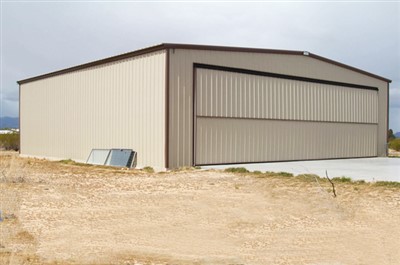
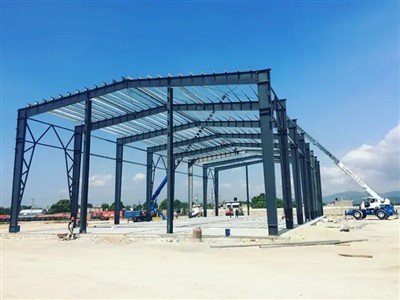
Portal frame, or clear span, structures are often what comes to mind when thinking of aircraft hangers. In other words, low-rise or single-story structures with wide spans and open floors that are commonly used for warehouses, barns, and other applications where large, open spaces are required at low cost.
Material of Steel Structure
The material used in steel structures is primarily steel, a robust alloy composed primarily of iron and carbon, with small amounts of other elements. The strength of steel arises from its crystalline structure and the ability to manipulate its properties through various heat and mechanical treatments. Alloying elements like manganese, silicon, and traces of other metals are often added to enhance specific characteristics such as strength, corrosion resistance, and weldability. Steel structures can be further reinforced through coatings or galvanization to protect against corrosion.
The difference between a bolted connection and a welded connection in a steel structure lies in the method of joining structural components. In a bolted connection, steel members are prepared with pre-drilled holes, and bolts are inserted through these holes during assembly. Nuts are then tightened onto the bolts to secure the connection. This method is relatively quick, allows for easy disassembly and modification, and is suitable for structures requiring flexibility. Welded connections involve fusing steel components through the application of heat, creating a strong and continuous joint. Welding requires skilled labor, specialized equipment, and is a permanent connection that is not easily disassembled. Welded connections often provide higher strength but may be more time-consuming and less adaptable to future modifications compared to bolted connections. The choice between these methods depends on factors such as the structural requirements, project constraints, and the need for flexibility or permanence in the joint.
Commercial buildings
Steel frames are frequently used in the construction of commercial buildings, such as offices, shopping malls, and hotels, providing the necessary support for multi-story structures with large open spaces.
Industrial facilities
Steel structures are widely utilized in industrial settings, including warehouses, manufacturing plants, and distribution centers. Their strength and ability to span large distances make them ideal for accommodating heavy machinery and storage requirements.
Residential construction
Steel is increasingly used in residential buildings for its strength, durability, and the ability to create open floor plans. Steel framing systems are employed in the construction of houses and apartment buildings.
Bridges
Many bridges around the world incorporate steel components due to their high strength and load-bearing capacity. Different types of steel bridges, such as beam bridges, arch bridges, and suspension bridges, are common in infrastructure projects.
Aircraft hangars
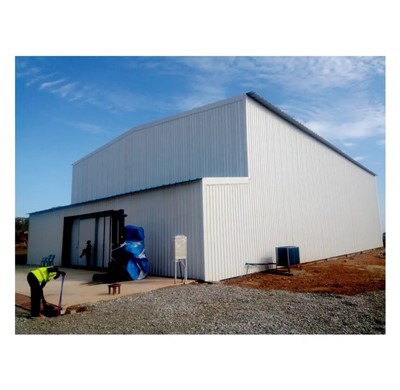
Steel structures are well-suited for the construction of aircraft hangars, providing large clear spans to accommodate aircraft and equipment. The strength of steel is crucial for withstanding the loads associated with aircraft storage and maintenance.
Agricultural buildings
Steel structures are used in agricultural settings for barns, storage facilities, and other farm structures. They provide durability and can be easily adapted to various agricultural needs.
Planning and Preparation: The first step in the process is to determine the purpose and function of the structure. This includes identifying the loads and forces that the structure will need to support, as well as any environmental factors that may affect the design.
Design: Once the planning phase is complete, the designer will begin to create the structural design for the building. This involves determining the size, shape, and orientation of the steel members, as well as the connections between them. The design must meet all relevant building codes and standards, as well as the specific requirements of the project.
Fabrication: Once the design is complete, the steel members are fabricated according to the specifications of the design. This typically involves cutting and shaping the steel into the required shapes and sizes, as well as drilling holes for connections.
Erection
The steel members are then transported to the construction site and erected into place. This involves lifting the steel members into position using cranes, and connecting them together using bolts or welds.
Finishing
Once the steel structure is erected, it may be necessary to perform additional finishing work, such as applying paint or other protective coatings.
Commissioning
Finally, the structure is inspected to ensure that it meets all relevant building codes and standards, and is ready for use.
The primary components of a steel structure include beams, columns, braces, connections, decking, and trusses. Beams are long, horizontal members that support the weight of the structure above them, while columns are vertical members that support the weight of the structure above them. Braces are diagonal members that connect the beams and columns together, providing additional stability and strength to the structure. Connections are the parts that join the steel members together, ensuring that the structure remains stable and secure. Decking is a type of metal sheet that is used to create the floors and roofs of a steel structure, while trusses are a series of interconnected triangles that are used to support loads over long spans.
Regular inspections
Conduct frequent visual inspections to identify signs of corrosion, damage, or structural issues. Pay attention to critical areas such as connections, welds, and high-stress zones. Standing water can accelerate corrosion, especially in areas prone to rust.
Corrosion prevention
Apply corrosion-resistant coatings to protect the steel from environmental elements. Monitor and address any areas with chipped or damaged coatings promptly. Consider periodic reapplication of protective coatings as part of a maintenance schedule.
Cleaning
Remove dirt, debris, and other contaminants from the surface of the steel. Cleaning helps prevent the accumulation of corrosive substances and ensures the effectiveness of protective coatings.
Temperature and humidity control
Monitor and control temperature and humidity levels in enclosed structures to prevent condensation. Humidity can contribute to corrosion, especially in enclosed or confined spaces.
Corrosion protection
Implement effective corrosion protection measures, such as coatings, galvanization, or stainless steel, to enhance the durability and lifespan of the structure. Regularly inspect and maintain the protective coatings to address any signs of deterioration.
Construction techniques
Adhere to proper construction techniques, whether using bolted or welded connections, to ensure structural integrity. Follow the approved design plans and guidelines provided by structural engineers.
Inspection and quality control
Conduct thorough inspections during fabrication, assembly, and construction phases to identify and address any issues promptly. Implement quality control measures to ensure that all components meet design specifications and industry standards.
Load considerations
Assess and consider various types of loads, including dead loads, live loads, wind loads, and seismic loads, during the design and construction phases. Account for any potential changes in load conditions over the structure's lifespan.
Foundations and anchorage
Design and construct suitable foundations based on soil conditions and structural requirements. Ensure proper anchorage to resist lateral loads and uplift forces, especially in regions prone to high winds or seismic activity.
Environmental factors
Consider the environmental conditions of the project location, including temperature, humidity, and exposure to corrosive elements. Choose materials and coatings that can withstand the specific environmental challenges.
The working principle of steel structures is grounded in the inherent properties of steel and the fundamental principles of structural engineering. The working principle revolves around the ability of steel to efficiently resist and distribute loads. Steel structures typically comprise beams, columns, and connections arranged in a way that optimizes their load-carrying capacity. The beams, which bear horizontal loads, are supported by vertical columns that transfer the loads to the foundation. The joints or connections, whether bolted or welded, ensure the structural elements work together as a cohesive system. This system is designed to handle various forces, including gravity loads, lateral loads from wind or seismic activity, and dynamic loads.
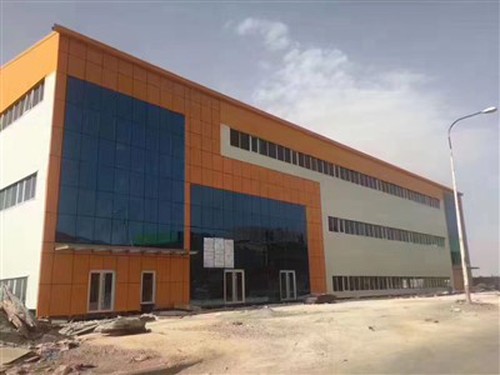
How is Steel Protected From Corrosion in Steel Structures?
One common method is the application of coatings such as paints, primers, and epoxy coatings, forming a protective barrier between the steel surface and elements like moisture and oxygen. Galvanization is another widely employed technique, involving the application of a layer of zinc to the steel. In hot-dip galvanizing, steel components are immersed in molten zinc, forming a sacrificial zinc-steel alloy coating that corrodes preferentially, safeguarding the underlying steel. Electrogalvanizing achieves a similar effect through an electroplating process. These coatings act as a shield, preventing direct contact between the steel and corrosive agents. Regular inspections and maintenance of these protective measures are essential to ensure their continued effectiveness over the lifespan of the steel structure.
Q: What are the primary advantages of using steel in construction?
Q: How is steel protected from corrosion in steel structures?
Q: What are the common types of steel structures used in building construction?
Q: How is the load-carrying capacity of a steel structure determined?
Q: What is the role of connections in steel structures?
Q: How does the fire resistance of steel compare to other construction materials?
Q: What is the significance of steel in bridge construction?
Q: What measures should be taken to ensure proper alignment during steel structure construction?
Q: How does the design of steel structures differ for various climates and geographic locations?
Q: What are the key steps in the fabrication process of steel structures?
Q: How does steel contribute to sustainable construction practices?
Q: What types of maintenance are required for steel structures, and how often should they be performed?
Q: How are steel structures designed to resist seismic forces?
Q: In what ways can steel structures be adapted for future modifications or expansions?
Q: What are the advantages of using steel in high-rise building construction?
Q: How does the design of steel structures differ for industrial facilities compared to commercial buildings?
Q: How is steel used in sustainable construction practices beyond recyclability?
Q: What role does steel play in creating aesthetically pleasing architectural designs?
Q: What are some common challenges in the construction of steel structures, and how are they addressed?
Q: How can professionals ensure safety during the construction and maintenance of steel structures?