
Environmental issues are the source of everything, why the Steel Structure Warehouse is so popular, and it is he who has so many advantages, steel-framed houses as residential buildings with load-bearing beams and columns.
Its advantages are self-evident, such as:
1. Steel structural members are produced at the factory, reducing on-site workload, shortening construction period, and meeting industrial requirements, which not only saves resources but also reduces unnecessary pollution.
2. The steel structure factory is reliable in production, accurate in size, easy to install, and easy to work with related parts.
3. Lightweight and high-strength, the weight of a house constructed of steel structure is about 1/2 of that of a reinforced concrete house; it meets the needs of a large open space, and the use area is about 4% higher than that of a reinforced concrete house.
4. Steel can be recycled, less environmentally polluted when constructed and removed. These advantages are the value of steel-framed houses. He used these advantages to prop up the "safety umbrella" of life.
5. Safety and reliability, good seismic and wind resistance, strong load capacity, and seismic resistance can reach eight grades. It is its style that the large earthquake does not fall. The combination of people-oriented and natural nature is the value of steel-structured houses. For building houses, ensuring personal safety is a top priority. The Tangshan earthquake, Wenchuan earthquake, Ya'an earthquake and so on have made people unforgettable.
Our steel structure warehouse for sale is competitive in quality materials, exquisite crafts and competitive price. As one of leading steel structure warehouse suppliers, we're looking forward to being your long-term partner in China.
What Is Steel Structure Warehouse
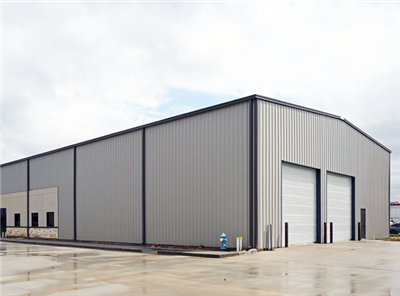
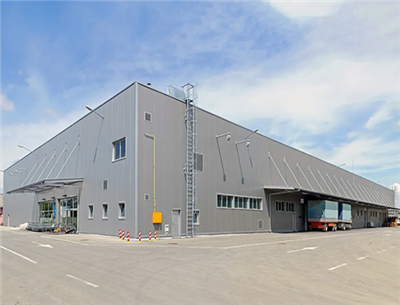
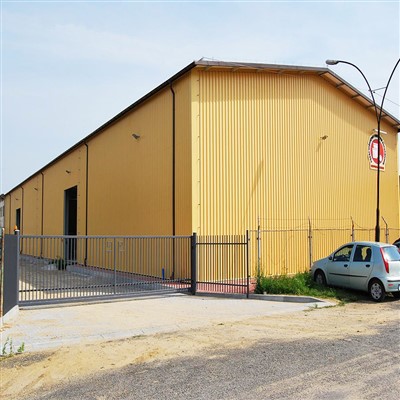
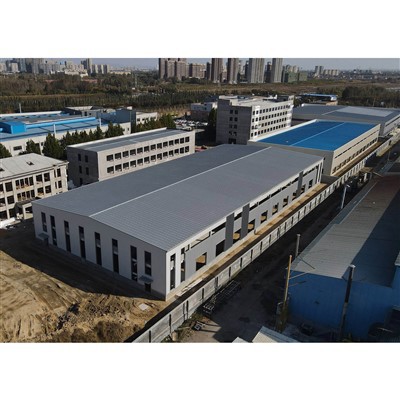
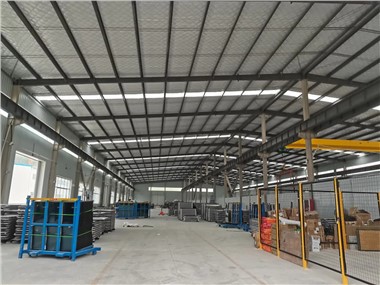
A Steel Structure Warehouse is a commercial or industrial building made of steel frame and walls, used for storage or distribution of goods and products. These buildings are durable, affordable, and customizable to meet specific requirements of the owner. They also offer a clear span design that allows for maximum interior space without obstructions, making them ideal for storing goods or equipment. Steel structure warehouses are also resistant to natural disasters such as earthquakes, hurricanes, and fire, which makes them a popular option for businesses that need secure and long-lasting storage solutions.
Durability
Steel is one of the most durable materials available, making it resistant to weather and other environmental conditions that could easily damage other materials. This means that steel structures can last longer than other types of structures, providing a safe and secure space for your goods.
Strength
Steel is a strong material that can withstand heavy loads and high winds, making it an ideal material for large warehouses. Steel structures can also be designed to withstand natural disasters such as earthquakes and hurricanes.
Cost-effective
Steel structures are often less expensive than other building materials such as concrete and brick. This is due to the lower labor and material costs required to construct a steel structure, and the fact that steel is a readily available material.
Customizable
Steel structures can be designed to meet your specific needs, with a range of options for customization available. This includes the size and shape of the warehouse, as well as the materials and finishes used.
Energy-efficient
Steel structures have a high thermal mass, meaning they retain heat well. This makes them more energy-efficient than traditional buildings, as they require less heating and cooling throughout the year.
Quick to assemble
Steel structures can be assembled quickly and efficiently, saving time and reducing labor costs. This means that your warehouse can be up and running sooner than with other building materials.
High quality
We take pride in the craftsmanship of our products and ensure that each one meets our strict standards for quality.
Customized services
Our team of experts will work closely with you to understand your needs and will provide solutions that are tailored to meet your expectations.
One-stop solution
We can offer a range of services, from consultation and advice to product design and delivery. It is a convenience for the customers, as they can get all the help they need in one place.
24H online service
We respond to all questions within 24 hours and if any emergencies arise, our team is always at your service.
Stteel structures are durable and long-lasting, withstanding harsh weather conditions, earthquakes, and fire. They are easy to maintain and repair, as well as being cost-effective. Steel structures are lightweight and can be constructed quickly, reducing building time and labor costs. Steel is a flexible material that can be designed to accommodate different uses and layouts, making it suitable for various types of warehouse applications. Steel structure warehouses offer superior strength, reliability, and versatility compared to other warehouse construction options.
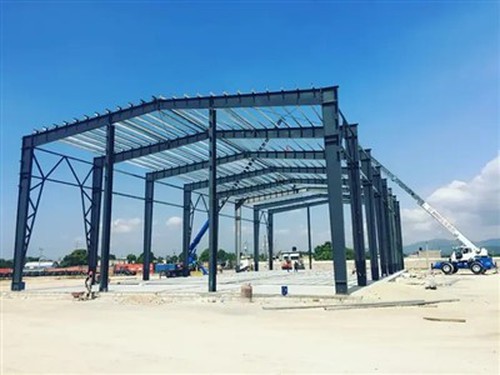
How Are Steel Beams And Columns Fabricated For Use In a Steel Structure Warehouse?
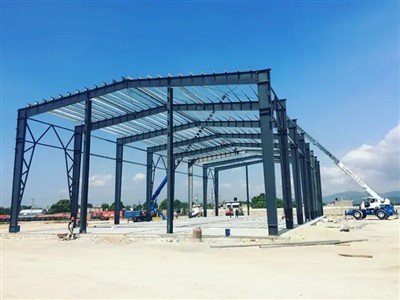
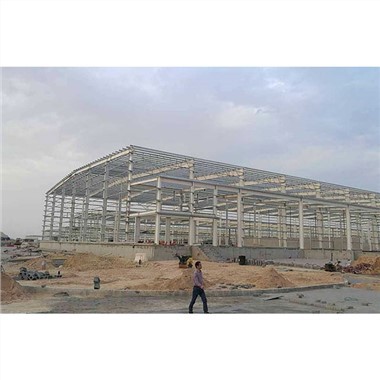
Steel beams and columns for a steel structure warehouse are fabricated through a process known as structural steel fabrication, which involves cutting, bending, and assembling steel pieces. The process starts with the creation of detailed shop drawings that show the specific dimensions and specifications of each structural member. The steel is then cut to size using specialized equipment such as plasma cutters and saws. The pieces are then bent into the required shapes using hydraulic presses and rollers. The pieces are welded together to form the beams and columns that will be used to support the structure. Once the steel components are fabricated, they are transported to the construction site and assembled into the framework of the warehouse using cranes and other heavy equipment.
Portal frame steel structure warehouse
Portal frame steel structure warehouses are the most commonly used and widely recognized type of steel structure warehouse. They are easy to install, cost-effective, and highly adaptable to various storage needs. The portal frame provides strong support for the building, and the modular design allows for easy expansion in the future.
Truss steel structure warehouse
Truss steel structure warehouses are typically used for large storage spaces where lightweight materials are stored. They use a series of triangular truss frames to support the roof, providing a high load capacity using less material than portal frames. This design creates a clear-span storage space without the need for extra columns or support structures.
Multi-story steel structure warehouse
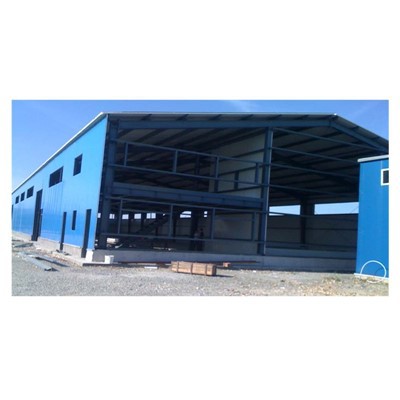
Multi-story steel structure warehouses are a popular choice for urban areas where land is scarce and available space must be utilized efficiently. These warehouses offer more storage space in a smaller footprint by stacking multiple floors on top of one another. Steel is the perfect material for multi-story buildings because of its strength, durability, and fire resistance.
High bay steel structure warehouse
High bay steel structure warehouses are designed for high-density storage where goods are stacked to the ceiling, requiring a high bay racking system. These types of warehouses require specific design considerations to accommodate the required racking systems and ensure the safe movement of goods in and out of the warehouse.
Cold storage steel structure warehouse
Cold storage steel structure warehouses are used for industries that require temperature-controlled environments, such as food processing plants, pharmaceuticals, and chemical manufacturing. These buildings feature insulation and vapor barriers to maintain temperature and humidity levels while also providing airtight seals to prevent contamination from outside sources.
Automated steel structure warehouse
Automated steel structure warehouses use state-of-the-art technology and equipment to handle material flow. These systems are mainly used in highly automated industries such as e-commerce and distribution centers. They incorporate advanced conveyor systems, robotic pallet jacks, and automated storage and retrieval systems to increase efficiency, reduce labor requirements, and minimize handling damage to goods.
What Are the Different Types of Roofing And Siding Materials That Can Be Used for a Steel Structure Warehouse?
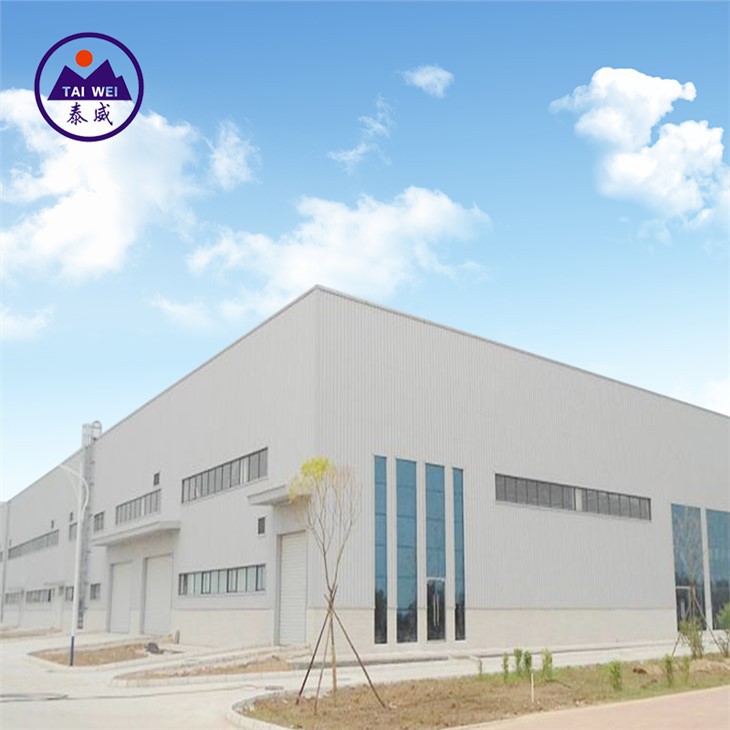
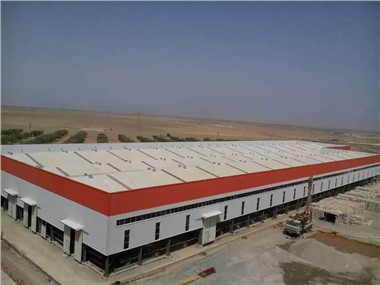
Roofing materials that can be used for a steel structure warehouse include metal panels, standing seam panels, corrugated metal sheets, and asphalt shingles. Siding materials that can be used for a steel structure warehouse include metal panels, insulated metal panels, fiber cement boards, and vinyl siding. The choice of roofing and siding materials will depend on factors such as durability, cost, aesthetics, and weather resistance.
Steel structure warehouses are designed to withstand extreme weather conditions such as strong winds, heavy rain, and snow. They are typically built with high-quality steel materials that are treated with special coatings to prevent rust and corrosion. The structure is also engineered with strong joints and connections to provide maximum stability and support. Steel frame buildings are designed to distribute weight evenly, reducing the risk of structural damage from heavy loads such as snow accumulation. Many steel structure warehouses also feature insulation to regulate temperature and reduce energy costs, which can be beneficial during extreme weather conditions. Steel structure warehouses are built to withstand a wide range of extreme weather conditions and provide a durable, safe, and secure environment for stored goods and equipment.
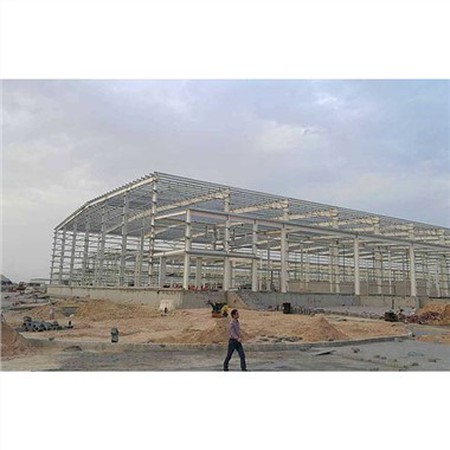
Material of Steel Structure Warehouse
Steel structure warehouses can be constructed using various types of steel materials, including hot-rolled steel, cold-formed steel, and high-strength structural steel. The steel used in the construction comprises high-strength structural steel and hot-rolled sections that offer excellent durability, strength, and stability, making it resistant to harsh weather conditions and natural forces like wind, snow, and earthquakes. Modern technology enables the use of galvanized steel, which provides additional protection against corrosion and rust, prolonging the lifespan of the structure. The use of steel materials in warehouse construction allows for greater design flexibility and faster construction times.
Application of Steel Structure Warehouse
Storage
Steel structure warehouses are primarily used for storage purposes as they provide ample space for storing large quantities of goods. They can be customized to meet the specific storage needs of different industries such as food, pharmaceuticals, chemicals, machinery, and equipment.
Manufacturing and production
Steel structure warehouses are also used for manufacturing and production activities. These facilities provide a large open space that can be configured to accommodate different types of production processes.
Distribution centers
Steel structure warehouses are ideal for use as distribution centers due to their convenience and flexibility. The open space and high ceilings make it easy to move goods in and out, and there is plenty of room for distribution equipment such as forklifts and conveyor belts.
Agricultural storage
Farmers and other agricultural businesses often use steel structure warehouses for storing crops, equipment, and machinery. The open design of these buildings makes it easy to move equipment around, and the buildings provide ample space for large agricultural equipment.
Aircraft hangars
Steel structure warehouses are also ideal for use as aircraft hangars due to their large open space and high ceilings. Aircraft can be easily moved in and out of the building, and there is plenty of room for maintenance and repair work.
Sports facilities
Steel structure warehouses can also be used for indoor sports facilities such as gymnasiums, indoor soccer fields, and basketball courts. The open design of the building provides plenty of space for athletes to exercise and practice their skills.
Steel structure warehouses can be modified or added onto later depending on the design and construction of the original building. Steel structures are versatile and allow for modifications or additions, such as new doors or windows, increased floor space, or the addition of a mezzanine level. As long as the modifications or additions meet building codes and are structurally sound, a steel structure warehouse can be adapted and expanded.
The maximum load capacity of a steel structure warehouse varies depending on several factors such as the design, materials used, location, and intended use. Generally, the load capacity of a steel structure warehouse ranges from 20 to 100 tons or even more. Properly designed and constructed steel warehouses can withstand heavy loads and provide superior durability, stability and resistance to natural disasters. The maximum load capacity can be determined through load testing, and engineers can make accurate calculations based on the specific requirements of the warehouse.
Design
The first step in the production process of steel structure warehouse is the design phase. The design team works with the customer to understand their requirements and specifications for the warehouse. The design team then creates a detailed plan of the structure, including the size, dimensions, and materials to be used.
Fabrication
Once the design is complete, the steel components are fabricated in a factory by cutting, bending, and welding the steel plates and sections. The fabrication process is usually automated using modern computer-controlled machinery, which ensures high accuracy and consistency in the production process.
Surface treatment
After the steel components have been fabricated, they undergo a surface treatment process such as galvanization or painting. This process removes any impurities and provides a protective layer to prevent rust and corrosion.
Transportation
Once the steel components are ready, they are transported to the construction site using trucks or trailers. This may involve some assembly work on-site to connect the various components.
Installation
The final step in the production process is the installation of the steel structure warehouse on the construction site. This involves hoisting and positioning the steel components with cranes and then bolting them together. The roof and walls are then added, along with any necessary doors, windows, ventilation systems, and other fixtures.
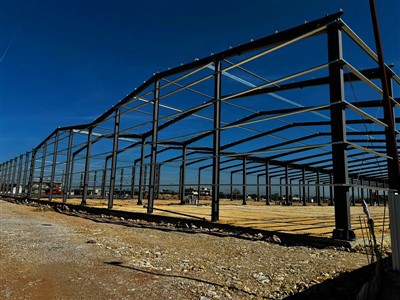
Steel structure warehouse typically consists of primary steel frame, secondary steel members, wall and roof cladding, and various accessories such as doors, windows, and ventilation systems. The primary steel frame includes columns, beams, and roof trusses that provide the structural support for the building. Secondary steel members such as purlins and girts are used to connect and brace the primary steel frame. Wall and roof cladding options include metal panels, fiberglass reinforced panels, or insulated sandwich panels. Accessories such as doors and windows can also be added to the structure for functional and aesthetic purposes.
Regular cleaning and inspection
One of the most important maintenance tips for steel structure warehouses is regular cleaning and inspection. This will help to identify any signs of wear and tear, corrosion, or damage before they become serious problems.
Lubrication of moving parts
Steel structure warehouses often incorporate moving parts such as doors, windows, and shutters. It is important to lubricate these regularly to ensure smooth operation and reduce wear and tear.
Painting or coating
Steel structures are prone to corrosion, especially in humid or coastal areas. To protect the steel from rust and corrosion, it is recommended to paint or coat it with specialized paint or anti-corrosion coatings.
Drainage maintenance
Proper drainage is essential to keep the warehouse free from water or moisture build-up. It is important to check and clean gutters, drainpipes, and downspouts regularly to ensure they are working effectively.
Structural repairs
Steel structures can develop cracks or other structural problems over time due to natural wear and tear, harsh weather conditions, or accidents. It is essential to identify any such issues and carry out necessary repairs and strengthening works promptly.
Pest control
Pests such as rodents, termites, and insects can cause damage to the warehouse's structural materials and inventory. It is important to implement effective pest control measures and regular inspections to ensure the warehouse stays pest-free.
Safety checks
Steel structure warehouses often involve the use of heavy machinery and equipment. It is vital to conduct regular safety checks on the equipment, lighting, and other safety features to prevent accidents and injuries.
The safety precautions for steel structure warehouses include ensuring proper design and construction with strong and stable foundations, using high-quality materials and components, regularly inspecting and maintaining the structure, providing proper ventilation and fire protection systems, implementing good housekeeping practices to prevent tripping and slipping hazards, and training employees on safe handling of equipment and materials. Proper signage, lighting, and security measures should be put in place to prevent unauthorized access and ensure the safety of workers and visitors. Regular maintenance and inspections should be conducted to ensure that all safety measures are up-to-date and functioning properly.
Q: What are steel structure warehouses?
Q: What are the advantages of steel structure warehouses?
Q: What materials are used to construct steel structure warehouses?
Q: What factors should I consider when designing a steel structure warehouse?
Q: Are steel structure warehouses customizable?
Q: What maintenance is required for steel structure warehouses?
Q: Are steel structure warehouses eco-friendly?
Q: What are the safety features of steel structure warehouses?
Q: Can steel structures withstand extreme weather conditions?
Q: Are steel structure warehouses more cost-effective than traditional warehouses?
Q: How are steel structure warehouses insulated?
Q: What is the typical lifespan of a steel structure warehouse?
Q: Can steel structure warehouses be expanded or modified in the future if needed?
Q: What types of roofing materials are used in steel structure warehouses?
Q: Can steel structure warehouses be structurally insulated to improve energy efficiency?
Q: What type of foundation is required for a steel structure warehouse?
Q: Can steel structure warehouses be used for other purposes such as manufacturing facilities or storage units?
Q: How are steel structure warehouses constructed to be resistant to fire?
Q: What kind of doors and windows can be used in a steel structure warehouse?
Q: How does a steel structure warehouse compare with traditional brick and mortar warehouse construction?