
Sandwich Panel is still used more in the decoration, this plate also has its unique characteristics, it is because of these reasons, it is deeply loved by people. Different specifications of the plates also have different uses.
Classification
There are six types of core materials
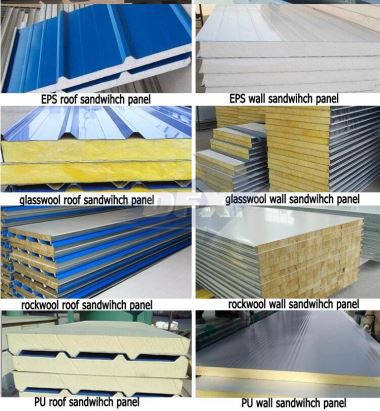
Polystyrene sandwich panel is EPS sandwich panel (currently the most widely used variety on the market);
Extruded polystyrene sandwich panel, ie XPS sandwich panel;
A rigid polyurethane sandwich panel, that is, a PU sandwich panel;
Three polyester sandwich panels are PIR sandwich panels;
Phenolic sandwich panel is PF sandwich panel;
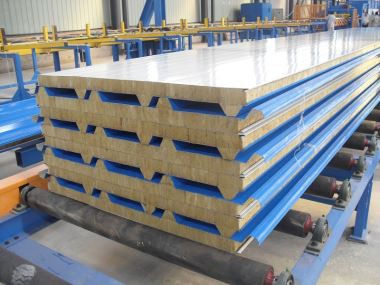
The rock wool sandwich panel is the RW sandwich panel.
Foam metal sandwich panel
There are two types of panels
There are two types of metal panels and non-metal panels. Metal panels are easy to machine and can be made into a variety of shapes, but in some cases non-metallic panels have the effect of metal panels, such as corrosion resistance and impact resistance.
Sandwich panel application
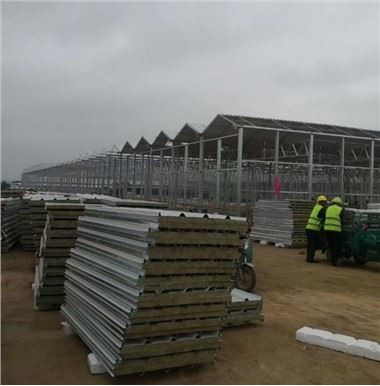
Sandwich panels are used in large industrial plants, warehouses, stadiums, supermarkets, hospitals, cold storage, mobile homes, building plus floors, clean workshops and places where insulation and fire protection are required. The sandwich panel has beautiful appearance, bright color and good overall effect. It integrates load-bearing, heat preservation, fireproof and waterproof, and does not require secondary decoration.
It is a kind of versatile, especially in temporary facilities such as offices and warehouses for construction sites. , fences, etc., more embodies the civilized construction of modern construction sites, especially in terms of rapid installation and use, there are obvious advantages in the detachable and recyclable index of materials that can be installed, and the temporary facilities cost of construction sites is greatly reduced. It will be an indispensable new lightweight building material.
Our sandwich panel for sale is competitive in quality materials, exquisite crafts and competitive price. As one of leading sandwich panel suppliers, we're looking forward to being your long-term partner in China.
What Is Sandwich Panel
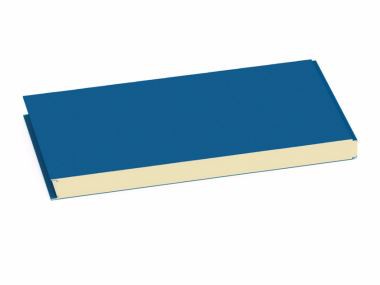
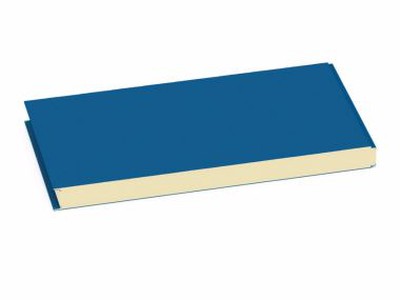
A sandwich panel is a type of composite material consisting of a core that is sandwiched between two thin outer layers, usually made of metal, wood, or reinforced plastic. The core can be made of materials such as foam, honeycomb, or rock wool. The resulting panel is lightweight, strong, and has excellent insulation properties. Sandwich panels are commonly used in wall and roof systems for buildings, as well as in the manufacturing of furniture and transportation vehicles. They can be customized according to the specific needs of a project, such as fire-resistance, soundproofing, or thermal conductivity.
Thermal resistance
The insulated core of the panels can provide superior thermal resistance, limiting heat transfer and thus making it easier to maintain a comfortable indoor temperature. This thermal resistance translates to lower energy costs as air conditioning and heating systems consume less energy.
Durability
Sandwich panels are durable and can last for a long time. They are resistant to fire, moisture, and chemicals, making them a reliable material for harsh environments. Sandwich panels can withstand high wind pressure, making them suitable for use in areas prone to severe weather conditions.
Customizable
Sandwich panels come in a range of sizes, thicknesses, and colors. As such, they can be custom-made to suit specific building requirements, leading to more versatile and flexible construction options.
Lightweight
The sandwich panel design allows for a lightweight construction reducing the load on the building structure. Transport and installation costs are also lower since sandwich panels are easier to move and can be fitted with little effort.
Cost-effective
Their insulating properties eliminate the need for additional insulation materials, decreasing the total cost of construction. Their fast and easy installation process saves on labor, making them a more cost-effective option.
High quality
We take pride in the craftsmanship of our products and ensure that each one meets our strict standards for quality.
Customized services
Our team of experts will work closely with you to understand your needs and will provide solutions that are tailored to meet your expectations.
One-stop solution
We can offer a range of services, from consultation and advice to product design and delivery. It is a convenience for the customers, as they can get all the help they need in one place.
24H online service
We respond to all questions within 24 hours and if any emergencies arise, our team is always at your service.
How Are Sandwich Panels Used in Construction?
These panels are made by combining two thin metal facings with a layer of insulating material in between. They are lightweight, yet sturdy, and provide excellent thermal insulation, making them ideal for construction projects where energy-efficiency is a priority. They can be easily installed, which makes them ideal for both new construction and retrofitting older buildings. Sandwich panels are used in a variety of construction applications, including walls, roofs, ceilings, and partitions. They are commonly used in industrial, commercial, and residential buildings to provide insulation, reduce noise, and improve the overall aesthetic appearance of the building.
Polyurethane (PU) sandwich panels
These panels are made of two outer metal sheets with a polyurethane core in between. They are lightweight, have excellent thermal insulation properties, and are fire-resistant.
Polyisocyanurate (PIR) sandwich panels
These panels are similar to PU panels but have a more advanced insulation system that provides better insulation and fire-resistant properties. They are widely used in food processing, cold storage, and pharmaceutical industries.
Polystyrene (EPS) sandwich panels
These panels are made of two sheets of metal with an expanded polystyrene (EPS) core in between. They are lightweight, offer good insulation, and are commonly used in roofing, walling, and flooring applications.
Mineral wool sandwich panels
These panels are made of two steel sheets bonded together with a mineral wool core. They are highly fire-resistant, offer excellent sound insulation, and are used in construction applications that require acoustic insulation.
Fiberglass sandwich panels
These panels are made of two layers of fiberglass sheets with an insulation core in between. They are strong, durable, and offer excellent thermal insulation properties. They are commonly used in roof and wall cladding.
Carbon fiber sandwich panels
These panels are made of two carbon fiber sheets bonded together with a core material in between. They are lightweight, strong, and offer excellent stiffness and impact resistance. They are used in aerospace and automotive industries.
Sandwich panels can be fire-rated by using materials with high fire resistance, such as mineral wool or polyurethane foam with fire-retardant additives. The panels can also be covered with fire-resistant coatings or laminates. In addition, the configuration and installation of the panels can be designed to limit the spread of fire, such as sealing joints and penetrations with fire-resistant materials.
How Waterproof Are Sandwich Panels?
Sandwich panels designed for use in wet environments or outdoor applications will have a waterproof core made from materials such as polyurethane foam, which is enclosed between two layers of metal or composite skins. The joining and sealing of the panels can also greatly affect their water resistance. Proper installation techniques and the use of weather-resistant sealants and coatings can further enhance the waterproof properties of sandwich panels. When installed correctly, sandwich panels can provide a high level of water resistance and protection against moisture intrusion.
Preparation: Assess the site and determine the best way to install the panels. This includes clearing and cleaning the area, as well as checking the surface for any potential issues or obstacles that may impact the installation.
Installation of the frame: Sandwich panels require a framework that will support the panels. Most often, this is done using a metal stud or joist frame that has been secured to the building.
Placement of the panels: The sandwich panels are placed on top of the frame in the area they are intended to cover. This is typically done using a crane or other lifting device, which will carefully put the panels in place.
Securing the panels: Once the panels are in place, they are secured to the frame using self-tapping or self-drilling screws. These screws must be properly spaced and tightened to ensure the sandwich panels remain in place.
Sealing the panels: Finally, the edges of the sandwich panels are sealed to create a watertight seal. This is typically done using polyurethane foam or other sealant material.
What Is the Thermal Conductivity of a Sandwich Panel?
Sandwich panels with a core made of materials such as polyurethane, polystyrene, or mineral wool have a lower thermal conductivity than panels with a core made of metals or other materials. The thickness of the panel also plays a significant role in its thermal conductivity, as thicker panels tend to have lower thermal conductivity than thinner panels. The thermal conductivity of a sandwich panel can range from 0.02 to 0.08 W/mK, with some specialized materials reaching values as low as 0.007 W/mK.
Determine the end-use of the panels
Sandwich panels can be used for roofing, walling, partitioning, and flooring applications. Each application requires different properties from the panel, such as strength, durability, thermal conductivity, and insulation.
Environment
Consider the environmental factors that will affect the panels, including temperature, humidity, windloads, and UV exposure. For example, panels used in coastal areas may need to be resistant to salt spray and corrosion.
Performance requirements
Determine the performance characteristics required, such as insulation value, strength, fire resistance, and sound insulation. These factors will guide the choice of core materials and panel design.
Material selection
Choose the right materials for the panels, including the core material, facings, and coatings. Common core materials include expanded polystyrene (EPS), extruded polystyrene (XPS), polyurethane (PU), and mineral wool.
Panel configuration
Customize the panel configuration to meet the specific requirements of the project, such as thickness, size, and shape. Consider modular panel systems for ease of installation and scalability.
Material of Sandwich Panel
Commonly used outer layer materials of sandwich panels include color steel plates, glass fiber reinforced plastic plates, aluminum magnesium manganese plates, etc.; the inner layer panels can use color steel plates, stainless steel plates, aluminum magnesium manganese plates, etc. The core materials include polyurethane, rock wool, and polystyrene. Sandwich panels have the advantages of light weight, sound insulation, heat preservation, fire prevention, corrosion resistance, etc.
Construction industry
Sandwich panels are used in modern construction as they offer excellent insulation and soundproofing properties. They can be used in walls, roofs, and floors to improve energy efficiency and reduce noise levels.
Refrigeration industry
Sandwich panels are used extensively in the refrigeration industry to construct cold rooms and freezer rooms. The panels are designed to offer excellent insulation and weather resistance to protect products stored in refrigerated environments.
Transportation industry
Sandwich panels are used in the transportation industry to construct lightweight and durable panels. They are commonly used in the construction of refrigerated trucks, trailers, and containers.
Aerospace industry
Sandwich panels are used in the aerospace industry to manufacture lightweight and strong aircraft components. Sandwich panels are used in the construction of aircraft wings, fuselage, and other components.
Marine industry
Sandwich panels are used in the marine industry to manufacture lightweight and strong boat components. Sandwich panels are used in the construction of boat decks, hulls, and other components.
Industrial applications
Sandwich panels are used in a variety of industrial applications where strength, durability, and insulation properties are required. They can be used in industrial packaging, machine covers, partition walls, and more.
Sandwich panels are typically insulated using a core material that is placed between two external facing materials. Depending on the desired thermal insulation properties, a wide range of materials can be used for the core, including foam, rockwool, polystyrene, or a combination of materials. These core materials are chosen for their high insulating value and low density. The external panels, which are typically made of metal, PVC, or composite materials, provide mechanical support and resistance to weather and water damage. The insulation materials used in sandwich panels help to create a thermal barrier that regulates the temperature inside the structure, reducing heat loss in cold weather and minimizing heat gain in warm weather.
Material preparation
The first step in making sandwich panels is preparing the materials required. This may involve cutting the core material to the required size, applying adhesive to the surfaces, and preparing the outer layers of the panel.
Core placement
The core material is then placed between the outer layers of the panel. This is done in a way that minimizes any voids between the layers and ensures a high level of adhesion between the layers and the core.
Pressing
Once the core material is in place, the sandwich panel is pressed together using a hydraulic press. The pressure applied during this stage is carefully controlled to ensure that the panel is the right thickness, and that the layers are evenly bonded.
Trimming and cutting
Once the sandwich panel has been pressed, it is trimmed and cut to the required size. This may involve cutting the panel into sections, adding any required fittings or fixtures, and finishing the edges of the panels.
Surface treatment
Finally, the sandwich panels may be treated with surface coatings or finishes to enhance their appearance, durability, and resistance to weathering. This may involve painting, powder coating, or applying a protective layer of material to the surface of the panel.
Components of Sandwich Panel
Sandwich panels typically consist of three main components: two outer facing materials or skins and a core material in between them. The skins, usually made of metal or composite materials, provide structural integrity and protect the core material from external elements. The core material is usually made of foam, honeycomb, or a combination of both, and is responsible for providing insulation and sound-proofing properties. The three components are bonded together using an adhesive, creating a strong and lightweight composite panel that can be used in a variety of applications, such as construction, transportation, and aerospace.
Clean the panels regularly
Sandwich panels can accumulate dust, dirt, and other debris on their surfaces, which can affect their thermal insulation and overall performance. Therefore, it is essential to clean the panels regularly using a soft, non-abrasive cloth and a mild detergent solution. Avoid using harsh chemicals or abrasive cleaners that can scratch or damage the panels.
Inspect for damage
Sandwich panels can get damaged due to external factors such as hailstorm, impact, or moisture. Therefore, it is essential to inspect the panels regularly for any signs of damage, such as cracks, dents, or water leaks. If you find any damage, repair it immediately to avoid further damage or deterioration.
Check the joint sealant
The joint sealant between the sandwich panels can deteriorate over time, leading to water leaks and reduced thermal insulation. Therefore, it is essential to check the joint sealant regularly and reapply if necessary.
Keep the surrounding area clean
The surrounding area of the sandwich panels should be kept clean and free from any debris, vegetation, or garbage. This will prevent any damage to the panels due to external factors, such as falling branches or trash.
Maintain the temperature and humidity
Sandwich panels can expand or contract based on the temperature and humidity levels, which can lead to cracks or damage. Therefore, it is essential to maintain a consistent temperature and humidity level in the surrounding area of the panels.
Fire safety
Sandwich panels can be highly flammable depending on the core material used. It is important to consider the fire rating of the panel before using it for a specific application.
Moisture resistance
Sandwich panels can absorb moisture through the joints and seams, leading to corrosion and damage over time. Proper waterproofing and sealing is crucial to prevent moisture intrusion.
Load bearing capacity
Sandwich panels are lightweight and have limited load bearing capacity. It is important to consider the weight of the materials and equipment that will be placed on the panel, and ensure that the appropriate support is in place.
Thermal and acoustic insulation
Sandwich panels can provide excellent thermal and acoustic insulation if the right core material is selected. It is important to select the appropriate insulation material to meet the desired performance and energy efficiency goals.
Installation
Sandwich panels require careful installation to ensure proper alignment, sealing, and fit to prevent air and water infiltration. It is recommended that professional installation be performed by an experienced person.
Q: What is a sandwich panel?
Q: What are the advantages of using sandwich panels in construction?
Q: What types of sandwich panels are available?
Q: Where are sandwich panels commonly used in construction?
Q: How are sandwich panels installed?
Q: What are the fire safety characteristics of sandwich panels?
Q: What are the cost considerations for using sandwich panels in construction?
Q: How do sandwich panels compare to other construction materials?
Q: What are the design options for sandwich panels?
Q: How do sandwich panels contribute to building sustainability?
Q: What are the environmental benefits of using sandwich panels in construction?
Q: What are the limitations of sandwich panels in construction?
Q: How are sandwich panels tested for quality and performance?
Q: What are the maintenance requirements for sandwich panels?
Q: What are the manufacturing processes for sandwich panels?
Q: What are the fire ratings of sandwich panels?
Q: What is the lifespan of sandwich panels?
Q: How are sandwich panels stored and transported?
Q: What are the safety considerations when using sandwich panels in construction?
Q: How do sandwich panels contribute to energy efficiency in buildings?