
Steel Building Kits include a variety of sandwich panels
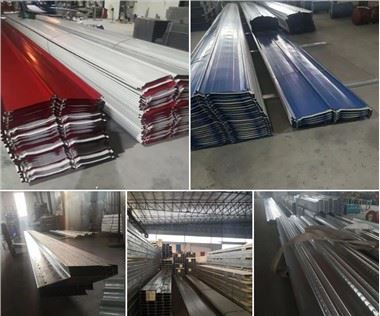
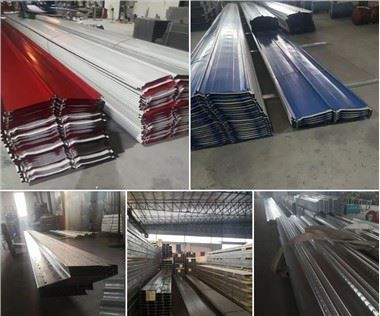
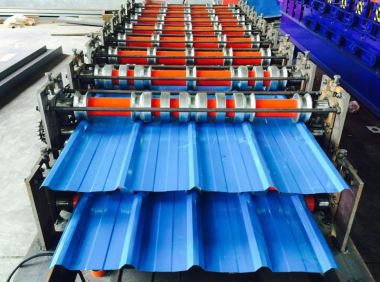
The sandwich panel product is composed of two layers of formed metal panels (or other material panels) and a polymer insulated inner core that is directly foamed and matured in the middle of the panel. These sandwich panels are easy to install, lightweight and efficient. The filling system also uses a closed-cell molecular structure to prevent condensation of water vapor. The formation of the outer steel sheet fully considers the structural and strength requirements, and takes into account the aesthetics. The inner surface layer is formed into a flat plate to meet various needs.
Features
1. Light weight The weight per square meter is less than 24kg, which can reduce the structural cost.
2. Quick installation, light weight, plug-in, installation and free cutting characteristics, it is easy to install, can improve efficiency and save time.
3. The fireproof and color steel composite core board's surface materials and insulation materials are non-combustible or non-combustible materials, which can meet the requirements of fire protection specifications.
4. Refractory, special coated color steel plate for 10-15 years, and then spray anti-corrosion coating every 10 years, the life of the plate is more than 35 years.
5. Beautiful, the profiled steel plate has clear lines of dozens of colors, which can be used with the needs of any style of building.
6. Insulation and insulation Commonly used insulation materials are: rock wool, glass fiber cotton, polystyrene, polyurethane, etc., low thermal conductivity, with good thermal insulation effect.
7. Environmental protection and noise prevention, composite board sound insulation strength of 40-50 decibels, is a very effective sound insulation material.
8. The plasticity type steel plate can be cut freely to meet the needs of special design.
9. High strength High-strength steel plate is used as the substrate, tensile strength is 5600 (kg/cm2), and the most advanced design and roll forming have excellent structural characteristics.
TAIWEI is one of leading steel building kits suppliers in China. Find the best quality steel building kits for sale here and enjoy competitive price and service with us.
What Is Steel Building Kits
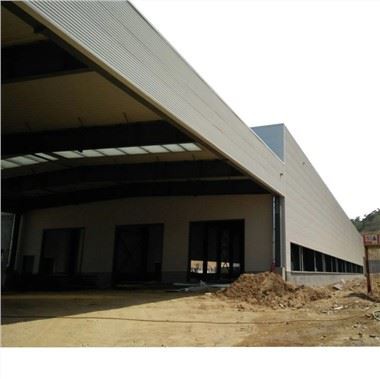
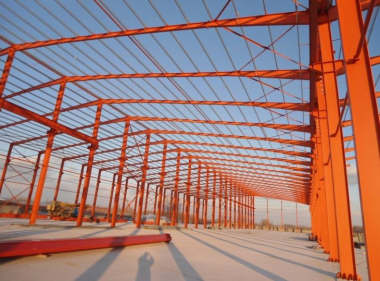
Steel building kits are prefabricated structures made of steel components that are manufactured offsite and shipped to the construction site for assembly. These kits typically include all the necessary parts and pieces needed to construct the building, such as steel framing, roofing and siding panels, doors and windows, and bolts and screws for assembly. Steel building kits are often used for agricultural, industrial, and commercial purposes due to their strength, durability, and cost-effectiveness compared to traditional building methods. They can be customized to suit specific needs and preferences, and can be easily expanded or modified over time.
Cost-effective
Steel building kits are often more cost-effective than traditional construction methods. The prefabricated components reduce construction time, labor costs, and waste, leading to overall savings.
Quick construction time
The prefabricated nature of steel building kits allows for faster construction. The components are manufactured off-site and delivered ready for assembly, significantly reducing the overall project timeline.
Versatility in design
Steel building kits offer flexibility in design. They can be customized to suit different architectural styles, sizes, and purposes, accommodating a wide range of applications from warehouses to residential structures.
Durability and strength
Steel is known for its durability and strength. Steel building kits provide robust structures that can withstand harsh weather conditions, seismic activity, and other environmental challenges, ensuring long-term stability.
Ease of assembly
Steel building kits are designed for ease of assembly. The prefabricated components come with detailed instructions, and many kits use a bolt-together system, simplifying the construction process and reducing the need for specialized labor.
Low maintenance
Steel building kits structures require minimal maintenance compared to traditional building materials. They are resistant to pests, rot, and decay, and the painted or coated surfaces protect against corrosion, reducing the need for regular upkeep.
High quality
We take pride in the craftsmanship of our products and ensure that each one meets our strict standards for quality.
Customized services
Our team of experts will work closely with you to understand your needs and will provide solutions that are tailored to meet your expectations.
One-stop solution
We can offer a range of services, from consultation and advice to product design and delivery. It is a convenience for the customers, as they can get all the help they need in one place.
24H online service
We respond to all questions within 24 hours and if any emergencies arise, our team is always at your service.
Steel building kits offer greater flexibility in design and can be easily expanded or modified to suit changing needs. Due to the strength of steel, they are generally more durable and long-lasting. Because steel components can be pre-cut and pre-drilled, they are often easier and faster to assemble, reducing the need for on-site modifications. Steel building kits are generally more cost-effective due to their high energy efficiency and low maintenance requirements. Other building kits, such as those made of wood or concrete, may require more site work, take longer to build, and may not be as durable or flexible in design.
Can Steel Building Kits Withstand Extreme Weather Conditions?
Steel building kits are designed to withstand extreme weather conditions. The inherent strength and durability of steel make these structures resilient in the face of challenging environmental factors. Steel's high tensile strength allows buildings to endure heavy loads and resist structural stresses associated with severe weather events. Specifically designed to be wind-resistant, steel buildings can withstand strong gusts, making them suitable for areas prone to hurricanes, tornadoes, or other high-wind situations. Steel's resistance to deterioration, rot, and decay, coupled with its ability to withstand moisture and mold, contributes to the durability of these structures in diverse and harsh climates.
What Are the Energy Efficiency Advantages of Using Steel Building Kits?
Steel is an excellent insulator, meaning that it can help to keep a building warm in the winter and cool in the summer, reducing energy consumption and costs. Steel is a highly recyclable material, which means that it has a lower carbon footprint compared to other building materials. Steel building kits are typically designed with energy efficiency in mind, incorporating features such as high-performance insulation, energy-efficient windows and doors, and solar-ready roofs. By choosing a steel building kit, you can reduce energy consumption and costs while also being more sustainable and environmentally friendly.
Purpose of the building
The first step in choosing a steel structure building kit is to determine the purpose of the building. Will it be used for storage, office space, or something else entirely. Knowing the intended use of the building will help you determine the size and specifications of the building kit you need.
Material quality
The quality of the steel used in the building kit is crucial. High-quality steel is more durable and resistant to rust and corrosion, ensuring the longevity of your building. Look for building kits made with galvanized steel or other weather-resistant materials.
Frame design
The design of the frame is another important consideration. A well-designed frame can withstand heavy loads and adverse weather conditions. Look for building kits with a strong, rigid frame that can support the intended use of the building.
Determine insulation requirements
Consider the insulation needs of the building, especially if it will be used for temperature-sensitive purposes. The insulation options provided by the steel structure building to ensure energy efficiency.
How Durable Are Steel Building Kits?
Steel building kits are known for their durability and longevity. They are designed to withstand various weather conditions, including high winds, heavy snow, and even earthquakes. The steel used in these kits is typically coated with a layer of zinc to prevent rust and corrosion, further enhancing their durability. With proper maintenance and care, steel building kits can last for several decades. Like any other structure, they can also be damaged by extreme weather conditions or accidents. It is important to carefully ensure the integrity of the building.
Prefab metal building kits
Prefabricated or prefab metal building kits come with pre-cut, pre-drilled, and pre-engineered components, simplifying the construction process. These kits are versatile and can be used for various applications, including garages, workshops, and storage buildings.
Arch style steel building kits
Arch-style steel building kits feature a curved roof design that resembles a half-circle or Quonset hut. These kits are cost-effective, easy to assemble, and suitable for a range of applications, including storage, workshops, and agricultural buildings.
Straight wall steel building kits
Straight wall steel building kits have a more traditional rectangular or square shape. They offer versatility in design and are often used for commercial, industrial, or residential purposes. These kits can be customized for various sizes and styles.
A-frame steel building kits
A-Frame steel building kits, also known as A-Frame vertical roof buildings, have a roof style that slopes from the center towards the sides. This design allows for efficient water and debris runoff, making them suitable for areas with heavy precipitation. They are commonly used for garages, workshops, and storage.
Gable frame steel building kits
Gable frame steel building kits have a traditional gable roof with two sloping sides that meet at a ridge. This style is popular for residential and commercial applications, providing a classic appearance with the added benefit of efficient water drainage.
Multi-span steel building kits
Multi-span steel building kits have multiple sections or bays, each with its own set of structural components. This design allows for larger interior spaces without the need for interior columns, making them suitable for wide-span applications like warehouses and industrial facilities.
Steel building kits can be insulated for better energy efficiency. There are several options for insulating steel buildings, including spray foam insulation, rock wool insulation, and fiberglass insulation. These materials can be applied to the interior walls and roof of the building to help retain heat in the winter and keep the building cool in the summer. Proper insulation can significantly reduce energy costs over time by preventing air leakage and minimizing thermal bridging. The best insulation options for steel building kits and make sure the insulation is installed correctly for optimal performance.
Steel building kits are made of high-strength steel that is designed to withstand harsh weather conditions and other external factors. The steel used in building kits is typically coated with a protective layer to prevent rusting and corrosion. The steel used in these kits is typically formed into sections, such as Z-sections, C-sections, and I-sections, which are easy to assemble and provide a strong, stable framework. Other materials may include insulation, such as fiberglass or mineral wool, for thermal efficiency. The steel is often coated with a protective paint or polymer to enhance its appearance and resist weathering.
Application of Steel Building Kits
Warehouses and distribution centers
Steel building kits are widely used for warehouses and distribution centers, providing large, open spaces for storage and logistical operations. The clear-span design allows for efficient use of space without interior columns.
Workshops and garages
Steel buildings are popular choices for workshops, automotive repair garages, and equipment storage. The strength and durability of steel provide a secure and spacious environment for various industrial and hobbyist activities.
Agricultural buildings
Steel building kits are utilized for agricultural purposes, including barns, hay storage, livestock shelters, and equipment storage. The durability of steel makes these structures ideal for withstanding the rigors of farm environments.
Commercial and retail buildings
Steel buildings are commonly used for commercial and retail spaces, such as shopping centers, strip malls, and standalone stores. The customizable design allows for a modern and attractive appearance.
Industrial facilities
Industries often use steel buildings for manufacturing facilities, factories, and industrial warehouses. The clear-span interiors provide ample space for machinery and equipment.
Aircraft hangars
Steel building kits are ideal for aircraft hangars, offering large clear-span spaces to accommodate airplanes and related equipment. The durability of steel ensures the protection of valuable aviation assets.
Material selection
High-quality steel is selected as the primary material for the building kit. The steel used is often a specific grade with properties that provide strength, durability, and resistance to corrosion.
Cutting and shaping
The steel components are cut and shaped according to the design specifications. Automated cutting machines or CNC plasma cutters precisely cut the steel sheets into the required shapes and sizes for framing members, panels, and other components.
Drilling and punching
Holes for fasteners, bolts, and other connections are drilled or punched into the steel components. This ensures that the components can be easily assembled on-site. CNC machines are often used for accuracy and efficiency.
Welding
Welding is employed to connect various steel components, such as columns, rafters, and purlins. Automated welding processes or skilled welders ensure strong and precise connections, contributing to the structural integrity of the building.
Surface treatment
The steel components undergo surface treatments to enhance their durability and resistance to corrosion. This may involve applying coatings such as galvanization or primer paint. Galvanization involves coating the steel with a layer of zinc to protect it from rust.
Panel production
If the building design includes wall and roof panels, these are manufactured separately. Panels may be insulated and coated before assembly, and special features like doors, windows, and openings are integrated during this stage.
Packing and shipping
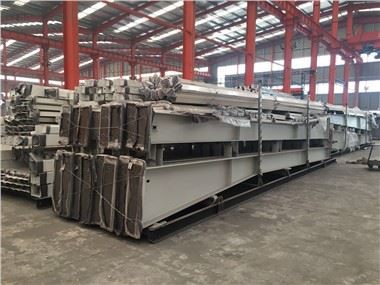
Once all components are fabricated and inspected for quality, they are carefully packed for shipping. The packaging is designed to protect components during transportation and ensure that they arrive at the construction site in optimal condition.
What Are the Main Components of a Steel Building Kit?
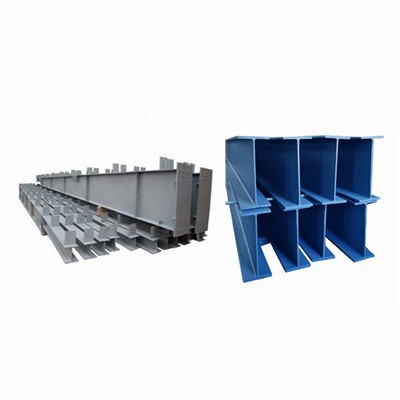
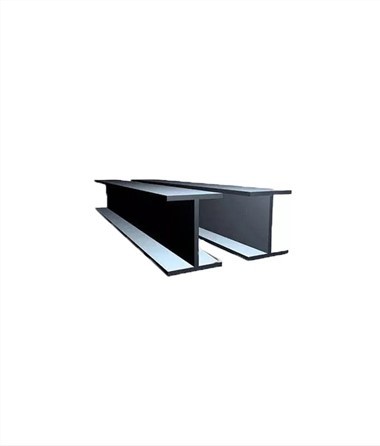
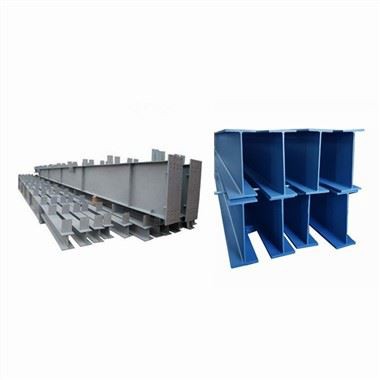
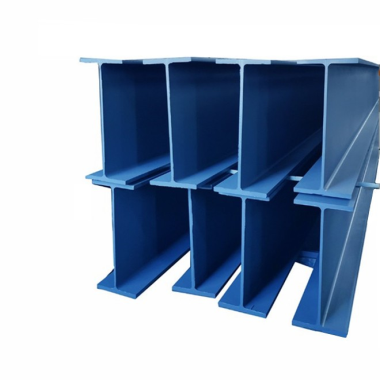
A steel building kit typically includes a number of components that are used to construct the building. The main components usually include steel framing, wall and roof panels, doors and windows, and hardware such as bolts, screws, and anchors. The steel framing is typically made up of I-beams, C-sections, and Z-sections, which provide the structure and support for the building. The wall and roof panels are typically made of steel or another durable material and are designed to protect the building from the elements. Doors and windows are also an important component, allowing access to and from the building, as well as providing light and ventilation. The hardware is used to hold the building together and ensure that it remains stable and secure.
Regular inspections
Conduct routine inspections of the entire steel building. Periodically check and tighten any loose fasteners, bolts, or screws. This ensures that all components remain securely connected and contributes to the overall stability of the building.
Address corrosion promptly
If any signs of corrosion, such as rust, are observed, address them promptly. Clean the affected area using a wire brush, remove loose rust, and apply a corrosion-resistant coating or paint to protect the steel.
Clean exterior surfaces
Clean the exterior surfaces of the steel building regularly to remove dirt, debris, and pollutants. Use mild soap or a non-abrasive detergent with water. Avoid harsh chemicals that may damage protective coatings.
Inspect and maintain roofing
Regularly inspect the roof for loose or damaged panels, seals around penetrations, and potential leaks. Address any issues promptly to prevent water infiltration. This helps prevent water accumulation on the roof and minimizes the risk of water-related damage.
Check and lubricate doors and windows
If the steel building has doors and windows, check their functionality regularly. Lubricate hinges, tracks, and moving parts to ensure smooth operation. Replace weatherstripping if worn or damaged.
Maintain coatings and inspect insulation
Monitor the condition of protective coatings and paint on the steel components. Touch up or recoat areas where the coating has worn away or if there are signs of deterioration. If the steel building has insulation, inspect it periodically to ensure it remains intact and effective. Replace any damaged or compromised insulation to maintain energy efficiency.
Electrical safety
Adhere to electrical safety protocols when working with power tools or conducting electrical work. Inspect electrical equipment regularly, use ground fault circuit interrupters (GFCIs), and follow lockout/tagout procedures when necessary.
Weather considerations
Monitor weather conditions and take appropriate precautions. Suspend work during adverse weather, such as thunderstorms or high winds, to prevent accidents related to slippery surfaces, falling objects, or electrical hazards.
Emergency response plan
Establish an emergency response plan and communicate it to all workers. Include procedures for evacuation, first aid, and reporting accidents. Conduct regular drills to ensure that everyone is familiar with emergency protocols.
Avoid overloading structures
Adhere to load-bearing capacity guidelines when erecting steel structures. Avoid overloading components, especially during the assembly process. Follow engineering specifications to ensure the structural integrity of the building.
Secure tools and equipment
Secure tools and equipment when not in use. Prevent tripping hazards by organizing and storing tools properly. Use tool tethers or secure equipment to prevent them from falling.
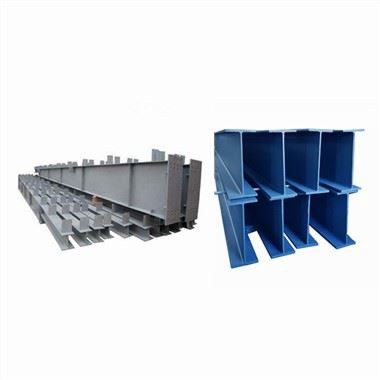
Steel building kits work on the principle of prefabricated construction. They consist of major structural components such as steel frames, walls and roofs, which are pre-engineered and prefabricated in factories according to the specific requirements of the building. The components are then transported to the construction site where they can be easily assembled using bolts and welds. The strength and durability of steel allow these buildings to withstand harsh weather conditions and other external factors. Steel building kits work based on the concepts of efficiency, speed and cost-effectiveness in construction.
Q: What are steel building kits made of?
Q: How are steel building kits assembled?
Q: What are the benefits of using steel building kits?
Q: How long do steel building kits last?
Q: Can steel building kits be customized?
Q: Are steel building kits environmentally friendly?
Q: What are some common applications of steel building kits?
Q: What are steel building kits?
Q: What is the difference between steel building kits and traditional construction methods?
Q: Can steel building kits be used for residential purposes?
Q: Are steel building kits safe in natural disasters?
Q: Can steel building kits be insulated?
Q: Can steel building kits be painted?
Q: What are the maintenance requirements for steel building kits?
Q: Can steel building kits be expanded in the future?
Q: Are steel building kits difficult to assemble?
Q: Can steel building kits be used in any location?
Q: Are steel building kits noisy during assembly?
Q: Can steel building kits be used for multi-story buildings?
Q: Are steel building kits energy-efficient?